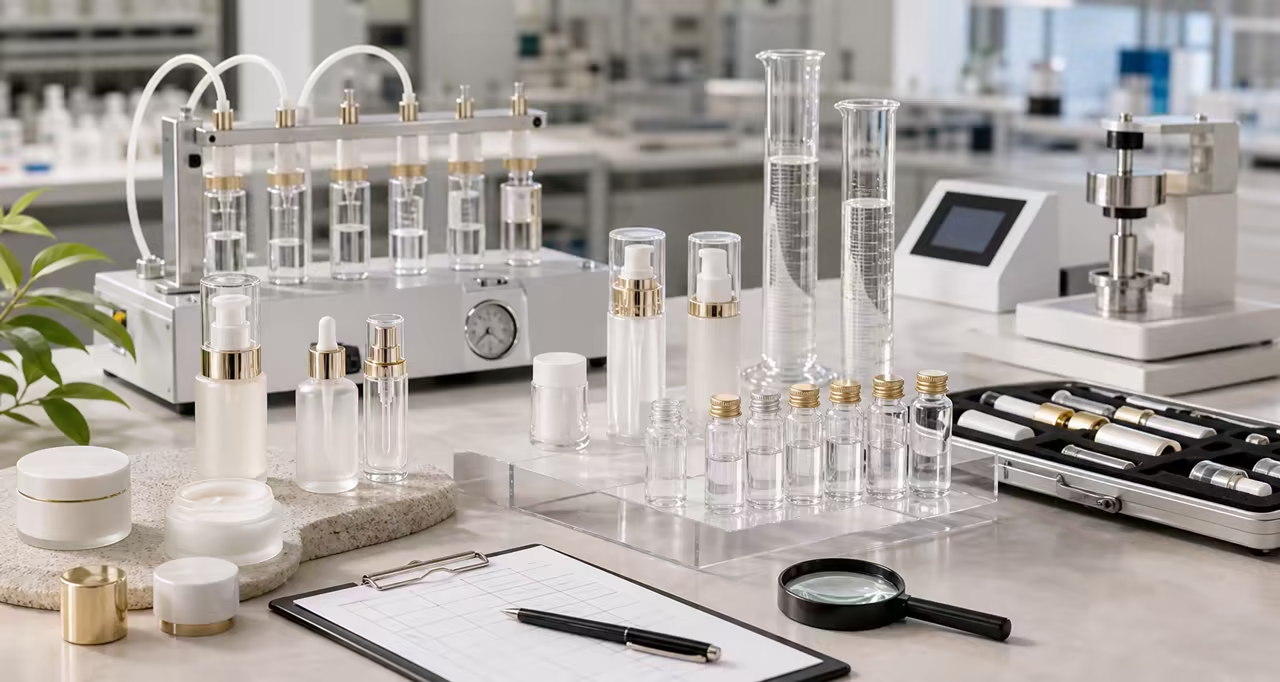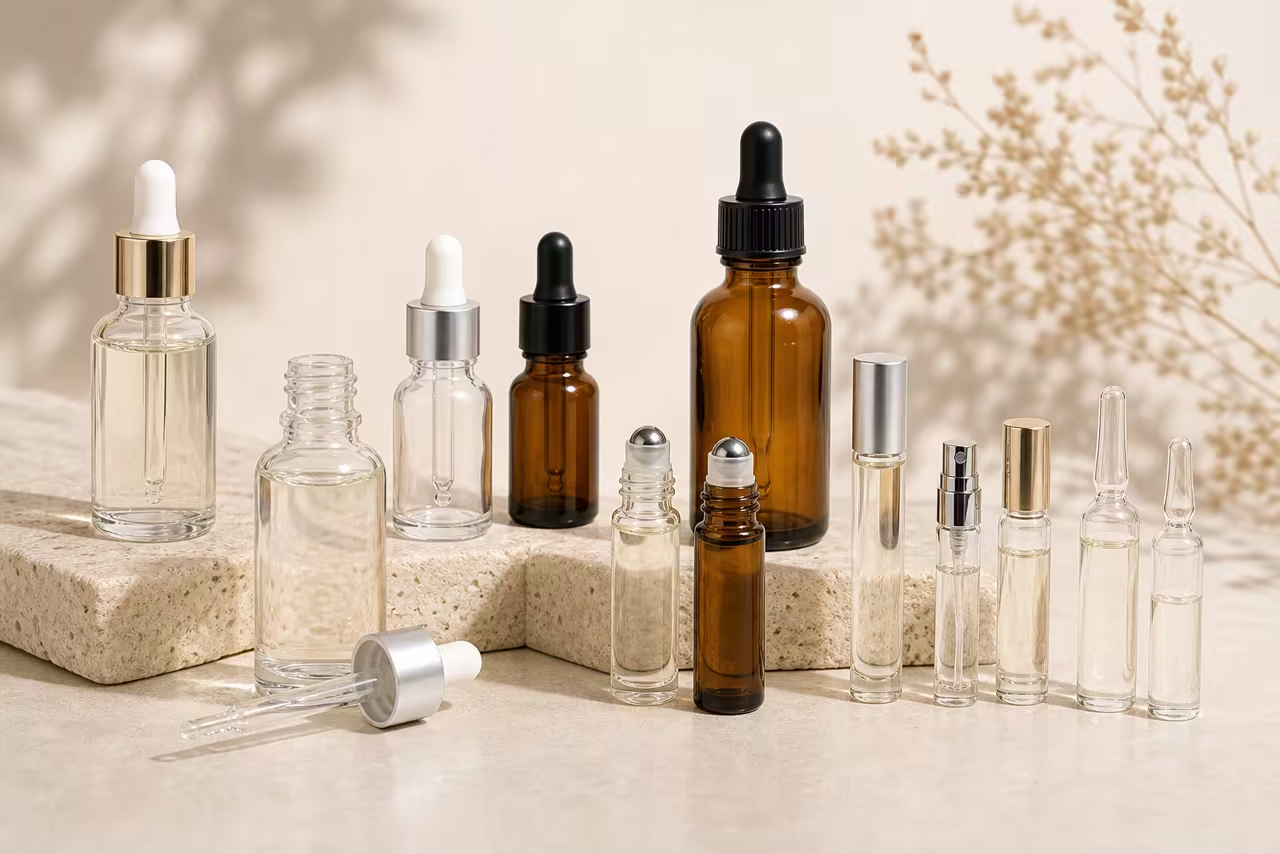
Decoration approval is a controlled packaging decision, not a vote for the most attractive sample. Ink, foil, coating, label stock and adhesive interact with the actual glass, plastic, metal or paper surface, then face filling, handling, formula residue, retail display and distribution. A proof can look correct on day one and still fail when the substrate, pretreatment, curve, ink system or exposure changes.
This guide focuses on testing and production approval. Buyers comparing silk screen, hot stamp, UV or digital printing and labels for a quotation can use the separate cosmetic packaging logo printing route.
Treat the decorated pack as a system
Start with the exact production-intent container and component set. Record the bottle or jar item code, resin or glass specification, color, coating, surface treatment, closure, fill, label panel, artwork revision and intended decoration process. Similar-looking blanks can have different surface energy, texture, curvature or coatings, so a proof on one model does not automatically approve another.
Map contact and handling conditions before choosing tests. Identify where wet or oily hands touch the pack, whether formula can reach the print, whether components rub inside a carton, whether a cap or collar passes over the decorated area and whether the pack will see bathroom humidity, temperature cycling or ecommerce abrasion. The test plan should reproduce relevant exposures rather than use a generic checklist without conditions.
Approve the base package before decoration
Confirm dimensions, neck or closure fit, fill compatibility and packing architecture on blank components first. Decoration can hide a dimensional or assembly problem and make late changes more expensive. Freeze the artwork area only after checking curves, seams, gates, panel transitions, cap overlap, label clearance and required consumer information.
Send controlled artwork files with color references, dimensions, orientation and revision identifiers. Define which colors use a physical target, whether a metallic effect is foil or ink, and which visual differences are acceptable on different substrates. A screen print on glass, a coated plastic cap and a paper carton should not be assumed to reproduce one color identically.
Convert real exposure into acceptance checks
Agree the method, conditioning, duration, sample count and pass criteria before testing. Depending on the pack, useful checks may include dry and wet rub, scuffing against neighboring components, formula or cleaning-product exposure, humidity and temperature conditioning, edge lift, print transfer, color change and readability after handling. Record both functional failures and cosmetic limits.
For labels, test the selected bottle, label stock, adhesive, varnish or laminate and application process together. Review lifting around tight curves, wrinkles, bubbles, flagging at edges, print rub and adhesion after the bottle has been filled and conditioned. Keep required copy and barcodes readable under the approved finish.
Use adhesion methods within their scope
ASTM D3359 describes tape-test procedures for relatively ductile coating films on metallic substrates and notes method, film-thickness and sensitivity limits. It should not be treated as a universal pass certificate for every printed glass bottle, plastic part, foil, paper label or soft-touch coating. If a tape or cross-cut check is relevant, agree why it applies, how cuts and tape are controlled, and what rating or visible result the project accepts.
Use additional project-specific checks where the real failure mode is rubbing, chemical exposure, flexing, edge lift or component contact. A method name without substrate, conditioning and acceptance criteria does not create a repeatable approval record.
Protect labeling space and claim accuracy
Decoration and regulatory artwork share limited space. For products entering the United States, FDA guidance places responsibility for compliant cosmetic labeling on the manufacturer or distributor and requires required information to be properly displayed. Other destinations have their own rules. Confirm the responsible market review before the decorated proof becomes the production reference.
Do not let a decorative revision obscure identity, quantity, ingredient, warning, responsible-party or traceability information required for the finished product. Keep artwork version control separate from the packaging supplier’s visual proof so the brand can document who approved regulatory content and who approved print execution.
Build a staged approval chain
Use four visible stages: approved blank component, decorated proof, signed golden sample and production inspection. The decorated proof confirms artwork placement, color direction, finish and initial performance. The golden sample records the complete accepted appearance and assembly. Production inspection then compares item codes, artwork revision, process settings and agreed visual or performance checks with that reference.
Photographs are useful for communication but are not a complete color or texture standard. Retain labeled physical samples when practical, along with date, supplier, batch or lot, process, ink or foil reference, coating, adhesive, curing conditions and deviations accepted by the buyer.
Control production and repeat-order changes
Define which changes require notification and reapproval. A new substrate supplier, resin or glass color, surface pretreatment, ink, foil, coating, adhesive, curing route, application equipment or artwork position can change performance even when the order description looks the same.
ISO 22716 provides quality guidance for cosmetic production, control, storage and shipment, but it does not turn a decoration sample into an approved packaging specification. Link the decorated-pack record to purchasing, incoming inspection, filling, storage and shipment controls. When a relevant material, process, formula or route changes, repeat the checks affected by that change instead of relying on the previous approval.
Selection considerations
Separate appearance proofing from production approval. Freeze the base component and artwork revision, translate handling and formula exposure into agreed tests, retain a signed golden sample, and identify which substrate, ink, foil, coating, adhesive or process changes require reapproval.
Questions to resolve before sampling
- Which exact substrate, surface treatment, artwork revision and component set will the proof represent?
- Which rub, formula, humidity, temperature, scuff or edge-lift exposures match the intended use and route?
- What acceptance criteria, golden sample and production changes trigger reapproval?
What to send with an inquiry
Share the application or formula, capacity, material preference, closure or dispensing component, decoration, estimated quantity, destination country, target timing and any reference drawings or photos. Final specifications, MOQ, availability and testing requirements are confirmed for the selected configuration.
Primary references and scope
- ASTM D3359 coating-adhesion overview — Describes tape-test methods and important limits for evaluating coating adhesion, primarily on metallic substrates.
- FDA summary of cosmetics labeling requirements — Summarizes U.S. labeling responsibilities and adulteration or misbranding considerations.
- ISO 22716:2007 cosmetic GMP overview — Describes quality guidance for cosmetic production, control, storage and shipment.
ASTM D3359 covers tape-test procedures for relatively ductile coating films on metallic substrates and has method and sensitivity limits. It is not a universal approval method for every decorated glass, plastic, metal or paper pack. FDA and destination-market labeling responsibilities remain with the responsible business, while ISO 22716 quality guidance does not replace a project-specific decoration specification.