
Aluminum Cosmetic Cans for Beauty Packaging
Aluminum cosmetic can projects split into two routes: non-pressurized cans for powders or gift formats, and aerosol systems for products dispensed under pressure. For either route, identify the exact can construction, product-contact coating, fill, closure or valve, actuator, filler equipment and destination requirements. Do not infer pressure suitability, formula compatibility or recyclability from an aluminum material name or can-shaped sample.
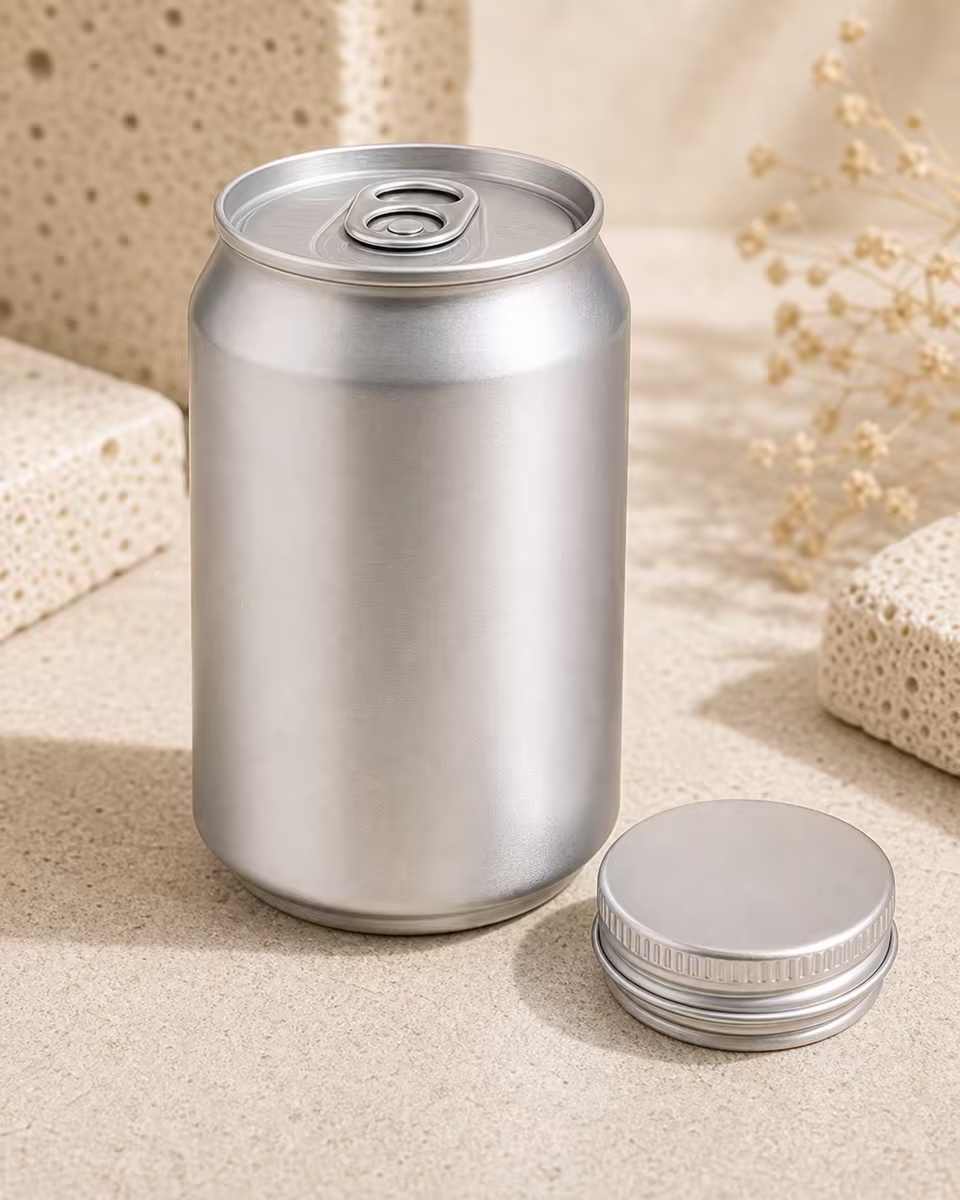
Can Systems to Compare
Use the project brief to compare complete systems rather than treating every can-shaped container as interchangeable.
- Non-pressurized powder can with a defined end or closure
- Can-silhouette container for a selected gift format
- Pressurized aerosol can system
- Internal coating or product-contact layer
- Valve, actuator and crimp combination
- Cap, overcap or non-pressure closure route
- Decoration on a production-intent can
- Final packing and transport configuration
Choose the Can System Before the Capacity
| Project starting point | Route to define | Confirm before sampling |
|---|---|---|
| Bath powder, salts or another dry product | Non-pressurized can and end or closure | Product-contact coating, opening, liner or seal, dust control, filling method, use action and packed deformation checks. |
| Dry shampoo, body mist, deodorant or another pressurized product | Aerosol can system | Exact can specification, formula or propellant, pressure and temperature conditions, valve, actuator, crimp, responsible filler and applicable transport requirements. |
| Beer- or soda-can appearance for a gift format | Non-pressurized decorative can | Actual opening, whether it recloses, contact materials, filling route, use instructions and a design that does not imply an unapproved beverage use. |
| Refill or repeated-use concept | Complete refill and reuse system | Transfer or refill action, cleaning, repeated closure, product contact, cycle plan, instructions and evidence for any reuse claim. |
| Printed, coated, labeled or sleeved can | Decoration on the approved can construction | Substrate, internal and external coatings, color reference, adhesion or rub exposure, curved-surface distortion and final proof. |
System Definition
Record whether the project is pressurized, every product-contact layer, the complete closure or valve assembly, the filling process and the final packed route.
Sample Scope
Sample availability, charges and timing are confirmed only after the construction, valve or closure, decoration, filling route and approval purpose are defined.
Change Control
Recheck the system when the formula, propellant, coating, can, valve, actuator, closure, filling process, decoration or transport configuration changes.
Approval Boundary
A component sample can support geometry, artwork or assembly screening, but it is not a pressure certificate or finished-product approval.
- The responsible brand, filler and technical team define project conditions and acceptance criteria.
- Destination authorities, carriers and other responsible parties determine applicable transport and market requirements.
- Record the exact can, coating, valve or closure, actuator, decoration and sample version used for each decision.
Build an Aluminum Can RFQ
Share the product state, formula or propellant context, pressure status, target fill, can or end style, internal coating, valve or closure, actuator, filling partner and equipment, decoration, quantity, destination and transport route. This separates a visual can concept from the complete aerosol or non-pressurized system that must be sampled and approved.
Common Buyer Questions
Are aluminum cosmetic cans automatically suitable for aerosols?
An aluminum can may be considered for an aerosol only after the exact can, internal coating, valve, actuator, formula or propellant, filling process, pressure requirements, destination rules and transport conditions are reviewed together. Material and capacity alone do not establish suitability.
How is a beer-can style container different from an aerosol can?
A beer- or soda-can silhouette may use a non-pressurized end, cap or closure. The appearance does not establish pressure suitability. Define the product, contact surface, opening system, filling process and any applicable pressure or transport requirements before selecting the package.
What should an aluminum can RFQ include?
Share the product or formula, whether it is pressurized, target capacity, filling method and filler, internal-contact requirements, valve or closure, decoration, quantity, destination and distribution route. Add drawings or reference photos when available.