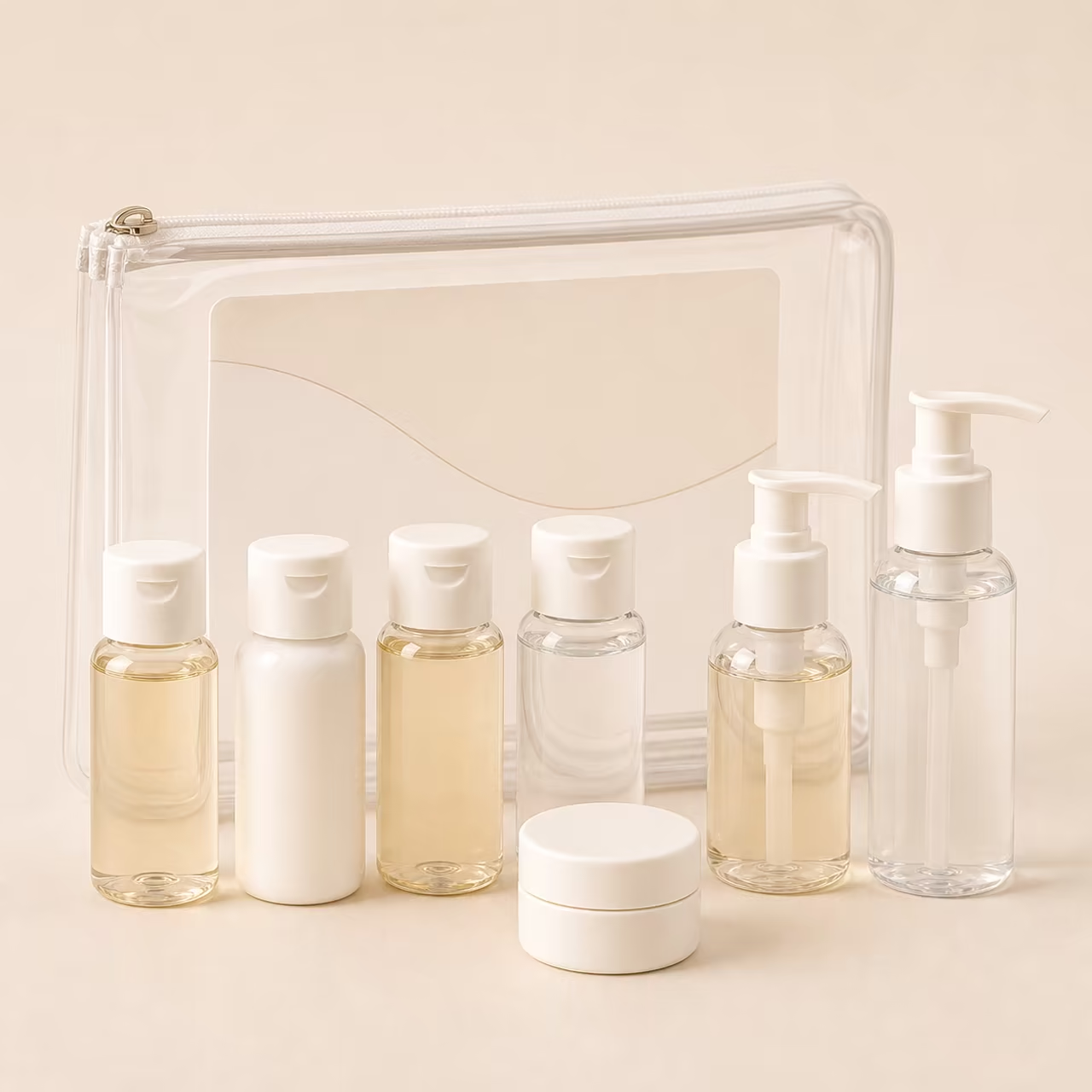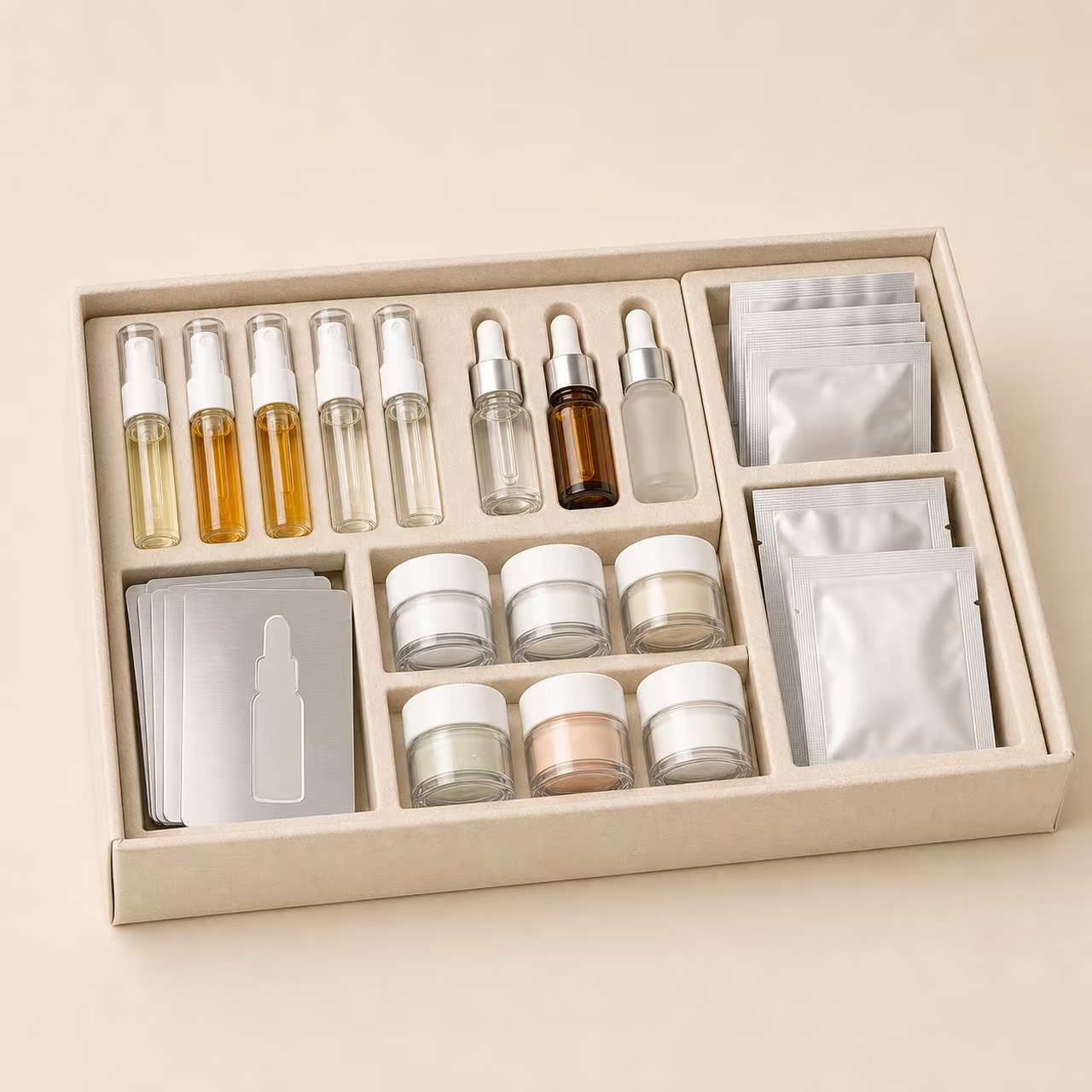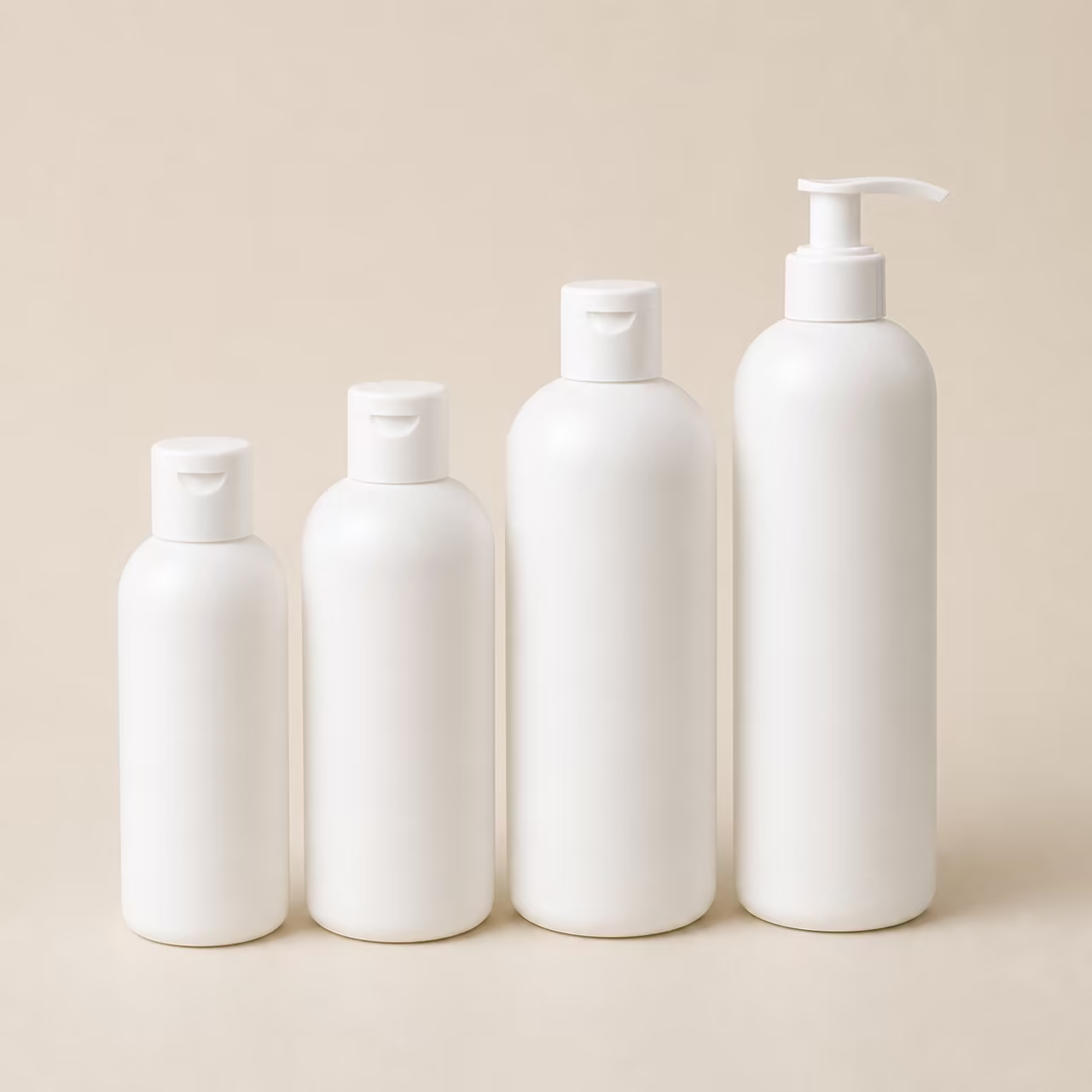
A strong RFQ does not need to be long, but it should be specific. Start with product type, formula category, capacity, material preference, closure style, decoration method, estimated quantity and destination country.
Reference photos are helpful, but they should be paired with practical information: target price range, launch timing, whether stock molds are acceptable, whether artwork is ready and whether the formula needs compatibility testing.
- For glass packaging, include bottle color, cap material, pump or dropper type and decoration area.
- For plastic packaging, include PET, HDPE, PP, PCR or airless preferences and expected squeeze feel.
- For kits, include every component, insert structure, retail box size and export packing needs.
When these details are clear, sample recommendations and quotation ranges can move much faster.
Packaging RFQ field template
Use the fields below to separate fixed requirements from preferences. This gives suppliers enough context to compare stock, decorated and custom routes without treating an early preference as an approved specification.
| RFQ field | What to state | Decision it supports |
|---|---|---|
| Product and formula | Fill product, formula category, viscosity or known contact and barrier concerns. | Material shortlist and compatibility-review scope. |
| Pack format and capacity | Bottle, jar, tube, airless pack or kit; nominal fill; key dimensions or reference images. | Stock model, mold and capacity shortlist. |
| Closure or dispensing | Cap, pump, sprayer, dropper, reducer or applicator; target dose or use action when known. | Component matching and sample configuration. |
| Material and finish | Which material, color, clarity or surface requirements are fixed and which remain open. | Realistic alternatives without changing mandatory inputs. |
| Decoration and artwork | Preferred process, color count, coverage, artwork status and reference standard. | Setup assumptions, proofing route and decorated-sample scope. |
| Quantity and repeat plan | Launch quantity, number of variants and any known repeat or annual demand context. | MOQ, production route and component consolidation. |
| Destination, filling and timing | Destination country, filling process, required delivery window and packing route. | Documentation, line, export packing and scheduling questions. |
| Samples and approval evidence | Required drawings, production-intent samples, test records and sign-off participants. | A clear boundary between screening and final approval. |
Selection considerations
Separate fixed requirements from preferences in the request. Formula, capacity, destination and quantity are usually fixed inputs; material, finish or closure may still be open to recommendation. Marking that difference helps the supplier propose realistic alternatives without confusing them with the approved specification.
Questions to resolve before sampling
- What will the package hold, and does the formula create compatibility or barrier requirements?
- Which capacity, material, closure, decoration and order quantity should be quoted?
- What destination, launch timing, target price context and reference files can be shared?
What to send with an inquiry
Share the application or formula, capacity, material preference, closure or dispensing component, decoration, estimated quantity, destination country, target timing and any reference drawings or photos. Final specifications, MOQ, availability and testing requirements are confirmed for the selected configuration.
Primary references and scope
- FDA cosmetic GMP guidelines and inspection checklist — Covers control, storage and records for raw and primary packaging materials.
- ISO 22716:2007 cosmetic GMP overview — Describes quality guidance for cosmetic production, control, storage and shipment.
- ASTM D4169 distribution testing overview — Provides a framework for evaluating shipping units against distribution hazards.
Use these references to identify quality, storage and distribution questions that may belong in an RFQ. The responsible brand, filler and technical team must choose the requirements and acceptance criteria that apply to the actual product and destination.