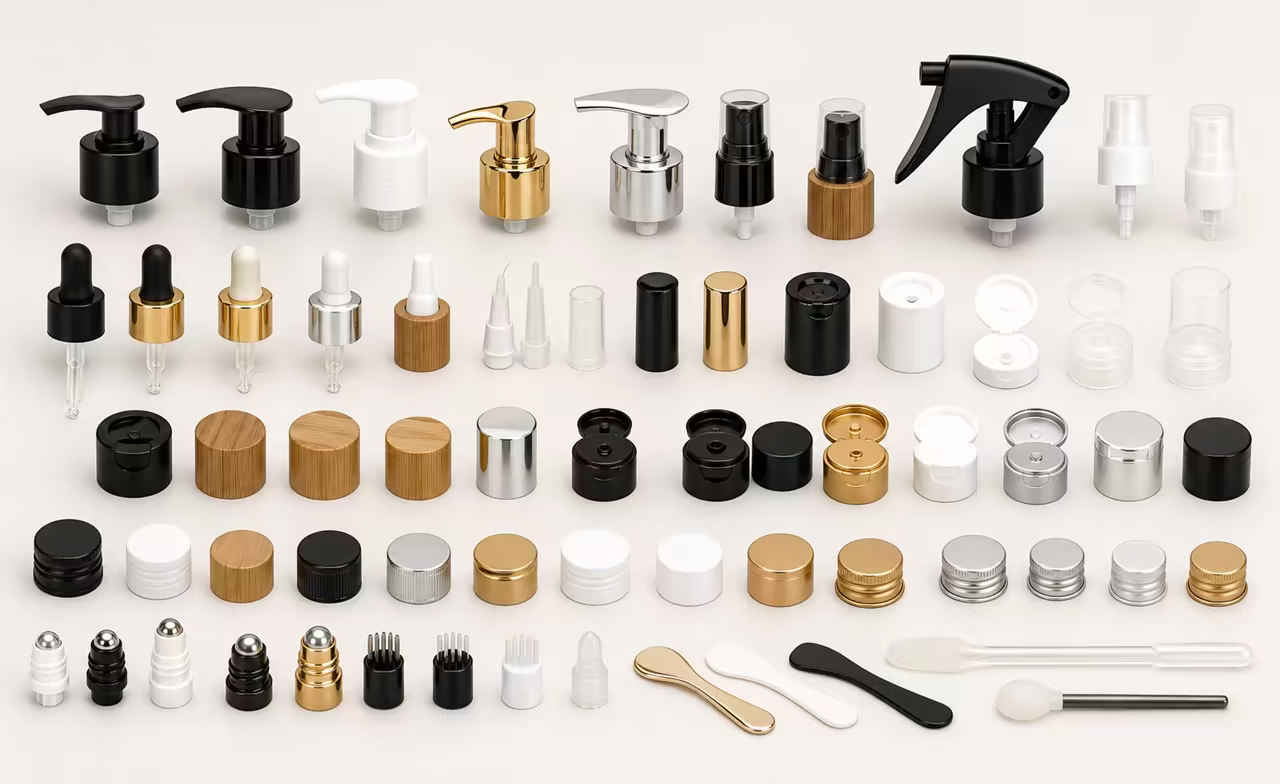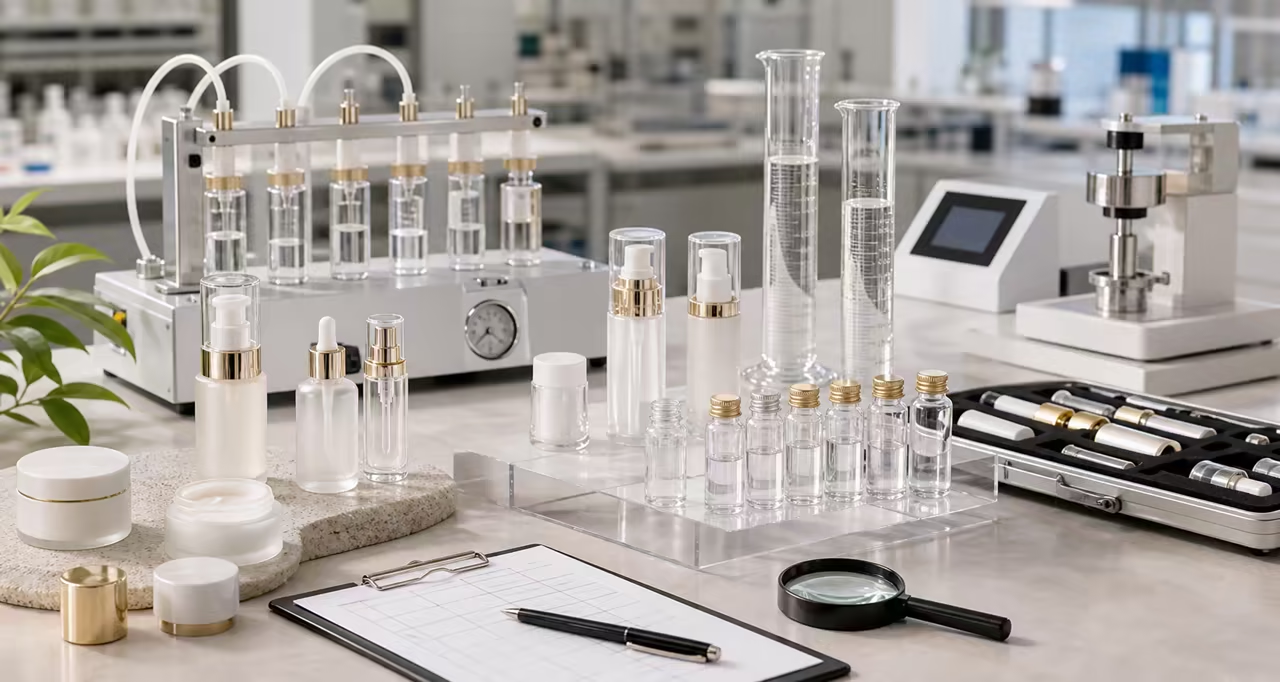
Cosmetic packaging compatibility testing checks whether the intended formula and complete package remain acceptable together under defined storage, use and distribution conditions. The review covers the container, closure, liner or gasket, dispenser, decoration and label as one configuration, not an empty container alone. Set the protocol, checkpoints and acceptance criteria for the formula, filling process and destination market; there is no universal pass/fail schedule.
1. Freeze the configuration before testing
Record the bottle or jar code, material, capacity, neck finish, closure version, liner, gasket, dip-tube length, actuator, decoration and label construction. If one component changes, the result may no longer represent the production pack. Keep an unfilled control sample and photographs so appearance changes are easier to compare.
2. Observe formula and material interaction
Review the contact surfaces for swelling, softening, stress cracking, corrosion, color change, odor, loss of clarity, surface tack or visible residue. Check the formula for separation, unexpected color or odor changes and any sign that the package is no longer protecting or dispensing it as intended. The storage conditions, orientations, checkpoints and acceptance criteria should be defined by the formula owner for the intended shelf life and market.
3. Check sealing and dispensing performance
- Inspect upright, inverted and side-position samples for leakage or product movement into the closure.
- Measure pump or spray output over repeated strokes, not only the first prime.
- Review spray pattern, foam quality, dropper dose, roller flow and actuator return with the intended viscosity.
- Check cap application, opening, liner contact, overcap clearance and any lock or tamper feature.
- Confirm that dip tubes, pipettes, wipers and reducers remain correctly seated after handling.
4. Include decoration, labels and distribution
Compatibility review should also cover coating, ink, foil, metallized collars, label stock and adhesive. Formula residue, oils, alcohol, humidity and normal handling can change adhesion or appearance. Use the final filled weight when reviewing carton dividers, retail inserts, vibration, abrasion and the planned shipping route.
5. Turn observations into an approval record
Record sample IDs, fill batch, dates, conditions, measurements, photographs, failures and decisions. Approval remains specific to the tested configuration. Suppliers can provide drawings, component information and samples, while the brand, filler or responsible technical team defines and approves the protocol for the actual formula, process and destination requirements.
Compatibility review matrix
The responsible technical team should turn each row into project-specific conditions, checkpoints and acceptance criteria. The matrix is a record structure, not a universal pass/fail protocol.
| Review area | Define before testing | Record at each checkpoint |
|---|---|---|
| Configuration identity | Formula batch, container code, material, closure, liner or gasket, decoration, label and packing version. | Sample ID, date, orientation, condition and any component substitution. |
| Formula and contact surfaces | Intended formula, contact materials, controls and observation schedule. | Color, odor, separation, swelling, softening, cracking, corrosion, tack or residue. |
| Seal and leakage | Closure application, fill level, storage orientations and handling relevant to the intended use. | Leak location, product migration, torque or seating observations and seal condition. |
| Dispensing and user action | Target output, priming, spray or foam behavior, dose and use orientation. | Output consistency, pattern, actuator return, clogging, drip, opening and closing behavior. |
| Decoration and label | Final substrate, coating, ink, foil, label stock, adhesive and expected product exposure. | Adhesion, rub, staining, lifting, color or appearance change and artwork legibility. |
| Distribution and packing | Filled weight, retail insert, divider, carton, orientation and planned route. | Movement, abrasion, breakage, deformation and packing-system observations. |
| Decision and change control | Approval owner, required records and changes that trigger re-evaluation. | Decision, deviations, photographs, measurements, corrective action and reapproval status. |
Selection considerations
Separate screening from approval. Early samples can identify obvious fit, leakage or appearance risks, but the final decision should use production-intent components, the intended formula and a documented protocol owned by the responsible technical team. Recheck the system when material, color, liner, adhesive, decoration or formula changes.
Questions to resolve before sampling
- Does the test use the actual formula and the final bottle, closure, liner, decoration and label construction?
- Which storage, orientation, dispensing, transport and appearance checks apply to the intended pack and market?
- Who owns the protocol, records observations and approves any component or formula change before production?
What to send with an inquiry
Share the application or formula, capacity, material preference, closure or dispensing component, decoration, estimated quantity, destination country, target timing and any reference drawings or photos. Final specifications, MOQ, availability and testing requirements are confirmed for the selected configuration.
Primary references and scope
- FDA cosmetic GMP guidelines and inspection checklist — Covers control, storage and records for raw and primary packaging materials.
- ISO 22716:2007 cosmetic GMP overview — Describes quality guidance for cosmetic production, control, storage and shipment.
- ASTM D4169 distribution testing overview — Provides a framework for evaluating shipping units against distribution hazards.
These references are starting points, not a universal compatibility protocol. The responsible brand, filler or technical team must select the applicable regulations, standards, conditions and acceptance criteria for the actual formula, package and destination market.