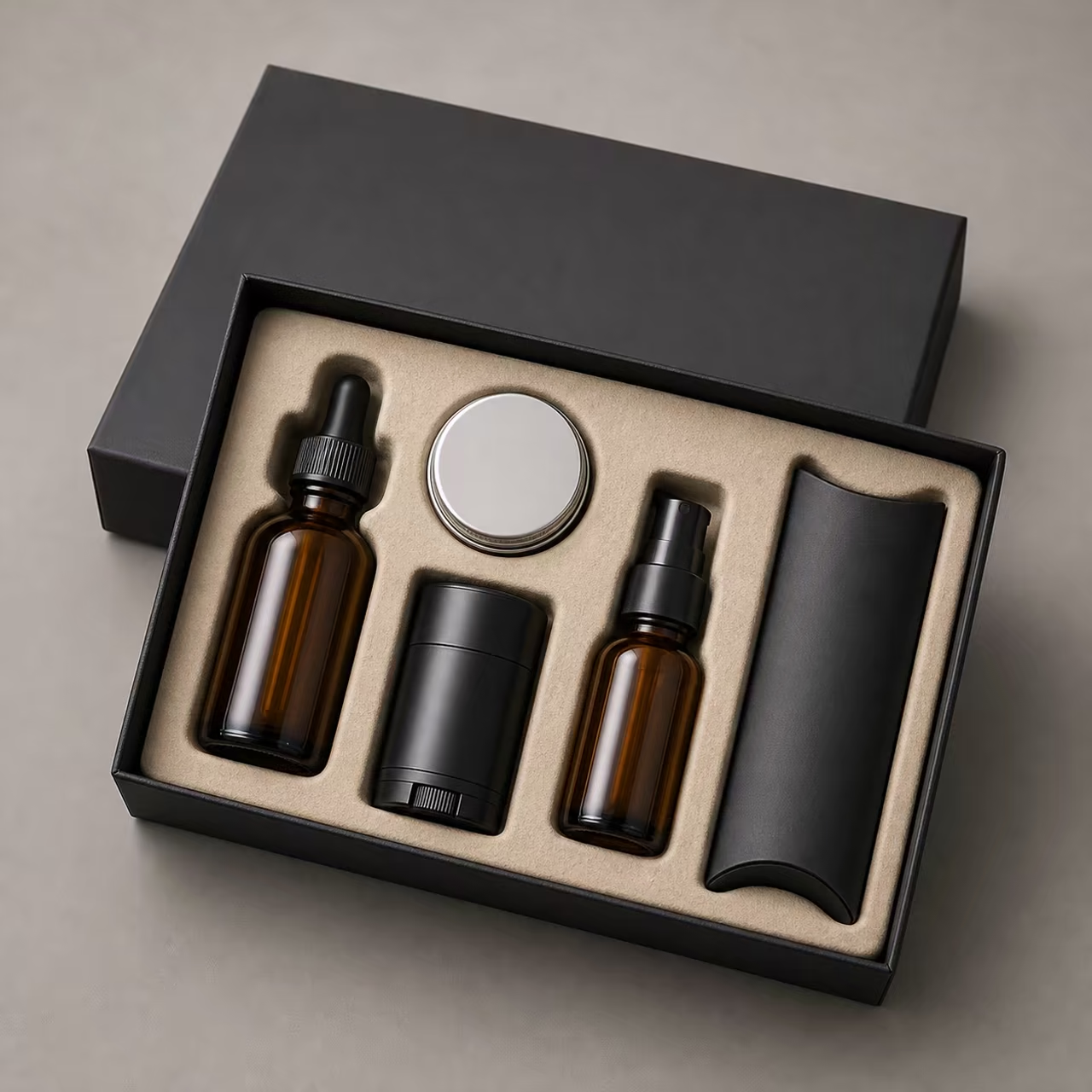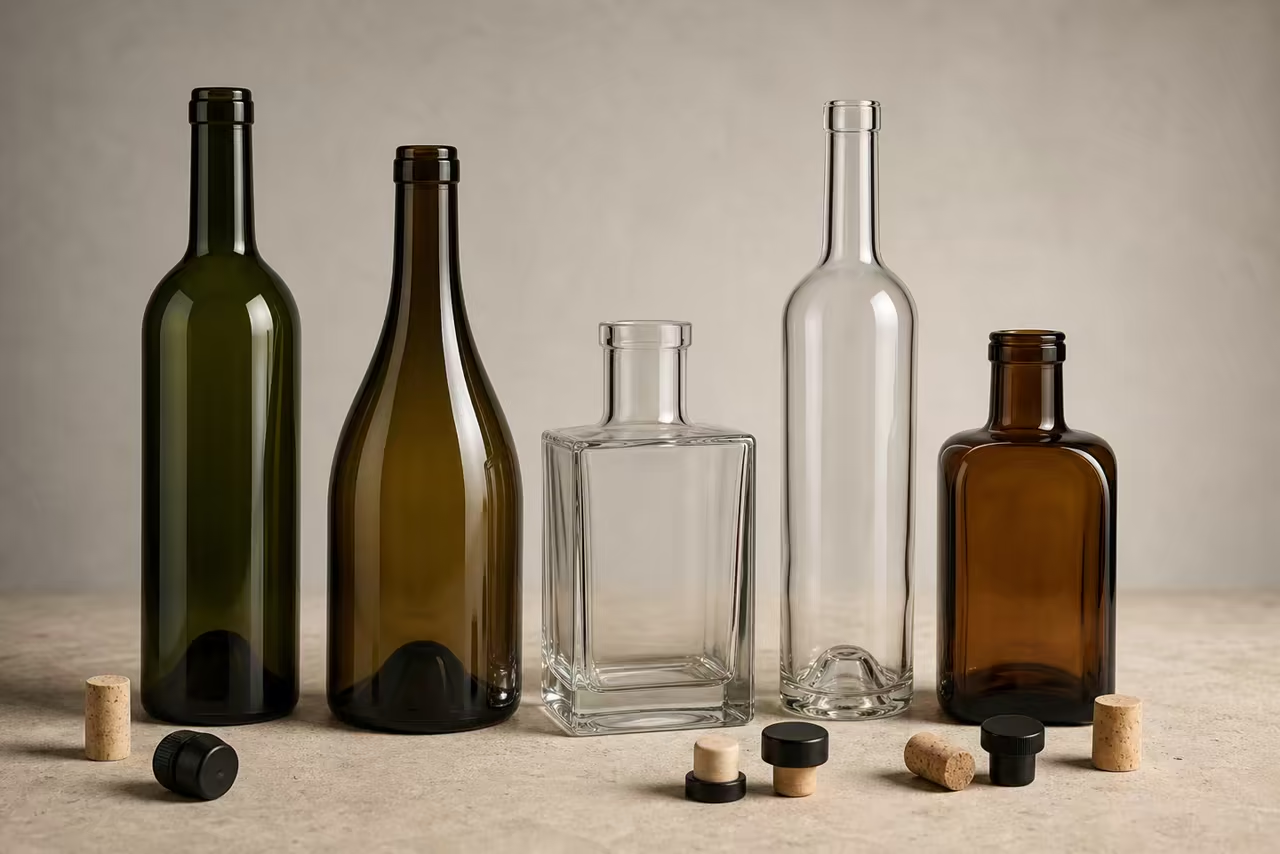
A visually attractive sample is not automatically ready for bulk production. The approved reference should show that the bottle, closure, decoration and packing assumptions are defined well enough for purchasing, filling and quality teams to evaluate the same configuration.
1. Bottle identity and dimensions
- Record the supplier item code or mold reference, nominal fill, brimful capacity where relevant, bottle weight and key dimensions.
- Check height, body diameter or width, label panel, base stability and pallet or divider constraints.
- Confirm glass color and the acceptable appearance range for seams, seeds, surface marks or other project-specific visual criteria.
2. Neck finish and closure system
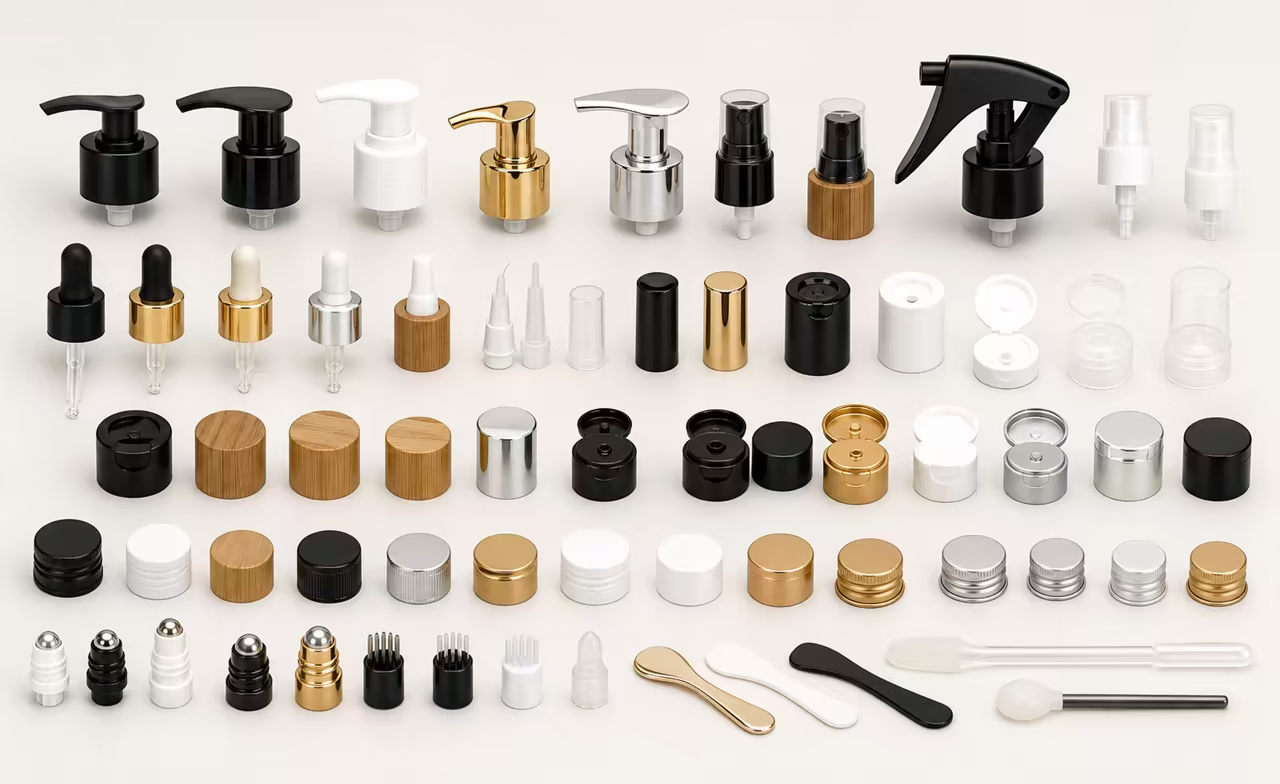
- Use the exact closure, liner, gasket, reducer, pump or sprayer intended for the order.
- Review seating, application and removal, leakage, opening force, dip-tube length and overcap clearance.
- For pressurized, carbonated, hot-filled or thermally processed products, define the required bottle specification and project-specific validation before production.
3. Decoration and filled-product review
Approve artwork position, color reference, opacity, edge quality and resistance to normal handling on the selected glass and coating. Where practical, review the package with the intended fill product because formula contact, product color and filled weight can change both appearance and performance.
4. Filling line and export packing
Confirm conveyor stability, filling-nozzle clearance, capping or crimping setup and coding or label application with production-intent samples. Then approve dividers, cartons, pallet pattern, orientation marks and any retail insert using the final decorated bottle and closure. A transit test plan should reflect the route and pack configuration rather than relying on a generic carton assumption.
5. Freeze the approval record
Keep signed photos or samples, drawings, component codes, artwork versions, color references, test notes and permitted tolerances together. State which changes require reapproval. This reduces ambiguity when components are purchased again or when production moves from blank glass to decorated bulk goods.
Selection considerations
Build the approval checklist around the production-intent system rather than a display sample. A final decorated bottle can behave differently on a filling line or inside a divider, and a substituted liner, gasket or cap can change sealing performance even when the package looks identical.
Questions to resolve before sampling
- Does the approval record identify the exact bottle, closure, decoration and artwork versions?
- Have filling-line, sealing, formula and handling checks been defined for the intended use?
- Is export packing approved with the final decorated bottle, closure, divider and carton configuration?
What to send with an inquiry
Share the application or formula, capacity, material preference, closure or dispensing component, decoration, estimated quantity, destination country, target timing and any reference drawings or photos. Final specifications, MOQ, availability and testing requirements are confirmed for the selected configuration.
Primary references and scope
- ASTM glass-container standards index — Lists active methods covering glass-container sampling, internal pressure, thermal shock and polariscopic examination.
- ISO 2859-1:2026 acceptance-sampling overview — Defines AQL-indexed sampling schemes for lot-by-lot inspection by attributes.
- ASTM D4169 distribution testing overview — Provides a framework for evaluating shipping units against distribution hazards.
Choose current methods, sampling plans and acceptance criteria that match the intended bottle and use. These references do not turn a visual sample into a performance certificate or replace destination-market review.