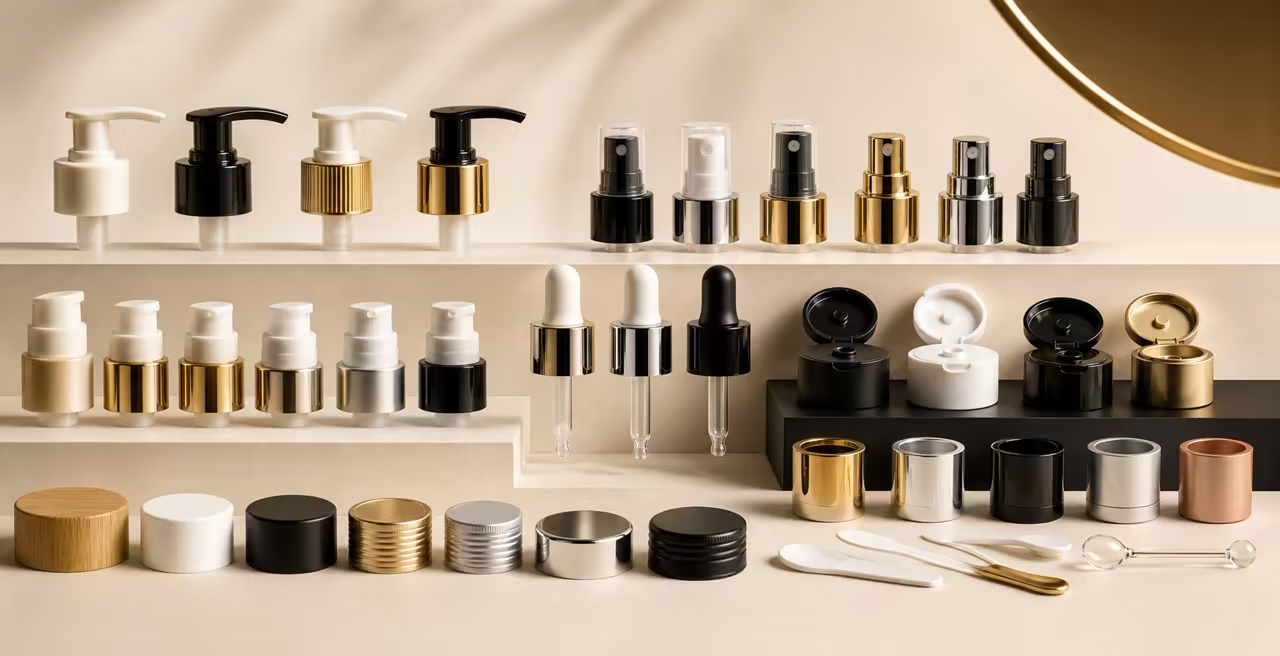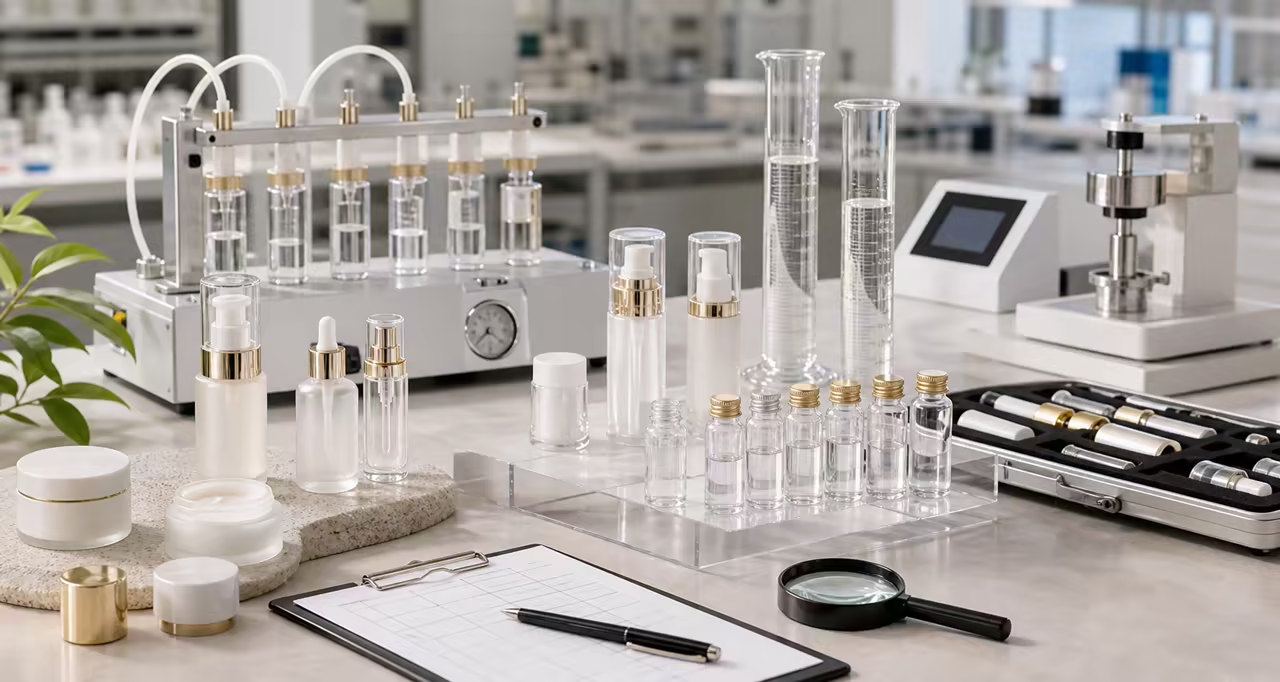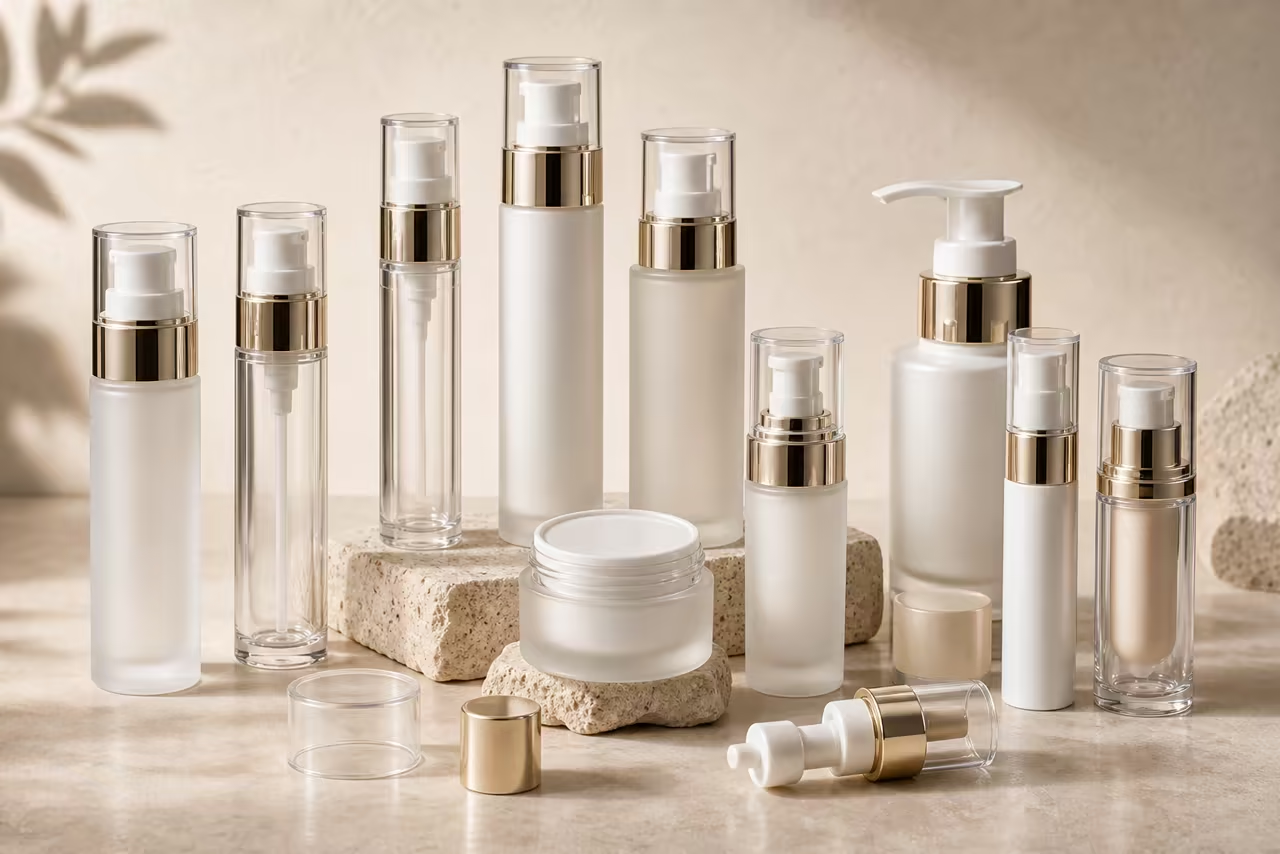
Choose an airless pump as a starting point for flowable serums, lotions and creams when controlled dosing and limited direct handling matter. Start with a jar for very thick creams, balms or masks that users scoop or need to see and reach. Neither is automatically more hygienic or protective: validate the actual formula, preservation system, dispensing, leakage and repeated use.
Buyers also need to account for practical failures: a thick cream may not move through a pump, an opaque pack can hide the remaining fill, a jar may require an applicator, and a dispenser can stop while product remains. A useful packaging brief converts those risks into measurable requirements.
Start with viscosity, flow and dose
An airless pump bottle can be a strong starting point for a flowable serum, lotion or cream when controlled output is important. The pump engine, product path, piston or pouch design, actuator and fill process must still suit the formula. Priming a water-like serum does not prove the same pack will dispense a high-viscosity cream at a low storage temperature.
A cosmetic jar gives direct access to masks, balms, body butter and very thick creams that users may scoop in different amounts. Jar diameter, shoulder, base radius and included applicator affect how easily the product can be reached. A wide opening also changes the consumer-use and preservation assumptions that the responsible formulator must evaluate.
Separate contamination control from marketing language
FDA identifies inadequate packaging and consumer use, including dipping fingers into a product, among possible contamination routes. That does not make every jar unsafe or every pump protective. The formula, preservation system, manufacturing controls, closure and expected use work together. Avoid absolute “airtight,” “preservative-free” or shelf-life claims unless the responsible technical team has evidence for the finished product and package.
Measure output and usable product
If shoppers need to know how much product remains, define that requirement before approving an opaque airless pack. Options may include a viewing window, translucent area, visible piston or a brand-approved usage signal, subject to any light-protection needs. Product evacuation should be tested by weight under a normal-use protocol: record the initial filled weight, dispensing conditions, stroke count and residual product when the pack stops delivering the accepted dose.
Jars make the fill more visible and accessible, but product can still remain in shoulders, corners or under an inner lid. The goal is not a theoretical 100% evacuation claim. It is a documented, repeatable amount that a user can dispense or remove through the intended action.
Include the user experience in the sample plan
Test whether the bottle remains stable during one-handed pumping, whether the actuator force is comfortable, whether the cap can be removed with wet hands and whether residue collects around the dispensing surface. For jars, review lid diameter, opening force, thread start, inner seal or liner, applicator storage and the risk of slippery product reaching the grip area.
Packaging accessibility matters even when the target customer has no declared disability. Temporary injuries, arthritis, limited grip, long nails, wet hands and low vision can all change whether a beautiful package is practical. Observe intended users with realistic filled samples instead of relying only on a dry tabletop review.
Approve the complete production-intent system
Compare the shortlisted formats with the actual formula, decoration, label and retail or ecommerce packing. For airless packs, record priming, output per stroke, piston travel, leakage, actuator return, product level visibility and residual fill. For jars, record cap application, opening and closing, seal contact, formula access, applicator use, leakage and repeated-use cleanliness. The selected format should solve the highest-priority product and user requirements without creating an untested claim.
Airless pump bottle vs jar comparison
Use this matrix to create a packaging shortlist, then test the actual formula and production-intent components. Neither format is automatically better for every cream or serum.
| Decision area | Airless pump starting point | Jar starting point |
|---|---|---|
| Formula and flow | Flowable lotions, serums and creams that can prime and dispense through the selected engine. | Very thick creams, balms, masks or products intentionally scooped in variable amounts. |
| Consumer action | Measured push action with limited direct access to the bulk formula. | Direct access, easy visual inspection and flexible scooping with clean fingers or an applicator. |
| Visibility and evacuation | Opaque designs need a level indicator, window or documented evacuation test if remaining quantity matters. | The user can see and reach more of the pack, but shoulder and base geometry can still trap product. |
| Development checks | Priming, output, piston travel, leakage, actuator return, formula flow and dose consistency. | Lid application, liner or seal, opening force, formula contact, applicator use and contamination controls. |
| Brand and operations | More component matching and filling-line setup; useful when controlled dispensing is central to the brief. | Simpler access and a broad decoration area; useful when the use ritual or very high viscosity supports a jar. |
Selection considerations
Choose the format from the formula and use action, then treat hygiene, air exposure, visible fill level and premium feel as testable requirements rather than broad claims. A high-viscosity formula may not evacuate through a pump selected for lotion, while a jar still requires an appropriate preservation, closure and consumer-use plan.
Questions to resolve before sampling
- Can the formula prime and dispense consistently through the selected airless engine at the intended temperatures?
- How important are direct access, visible product level, controlled dose and one-handed use to the target customer?
- What evacuation, leakage, compatibility, preservation and repeated-use checks will support the final choice?
What to send with an inquiry
Share the application or formula, capacity, material preference, closure or dispensing component, decoration, estimated quantity, destination country, target timing and any reference drawings or photos. Final specifications, MOQ, availability and testing requirements are confirmed for the selected configuration.
Primary references and scope
- FDA microbiological safety and cosmetics — Explains contamination risks, including packaging that does not adequately protect a cosmetic product.
- FDA cosmetic GMP guidelines and inspection checklist — Covers control, storage and records for raw and primary packaging materials.
- ISO 22716:2007 cosmetic GMP overview — Describes quality guidance for cosmetic production, control, storage and shipment.
These references establish safety, contamination-control and quality context; they do not prove that every airless pack protects a formula better than every jar. The responsible brand and technical team must validate the selected package with the actual formula and intended use.