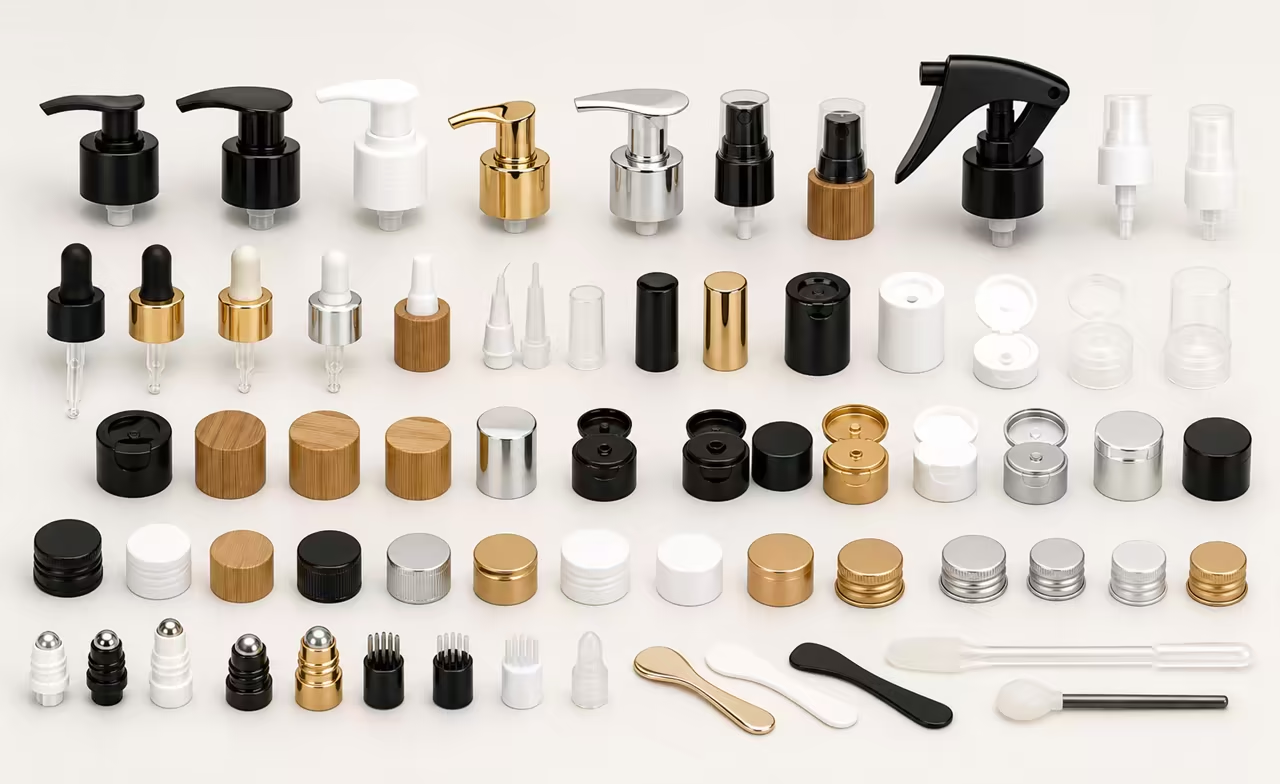
A pump or cap should be selected as part of a container system, not by color or nominal diameter alone. The exact neck finish, sealing surface, liner or gasket, component construction and filling method determine whether the closure can be sampled and approved.
Start with the bottle finish
Ask for the bottle item code or finish drawing and the matching component specification. A designation such as 18/410, 20/410, 24/410 or 28/410 provides useful direction, but it does not replace a fit review on the exact bottle. Thread profile, land dimensions, sealing surface, collar clearance and manufacturing tolerances still matter.
Choose the dispensing family by product behavior
- Lotion pumps: useful for shampoo, conditioner, cleanser, hand wash and body lotion when repeatable output and a practical lock are required.
- Treatment pumps: suited to smaller skincare doses, serum and essence formats where actuator control and premium component proportions matter.
- Fine mist sprayers: selected for toner, facial mist, body mist, hair mist and fragrance formats after spray pattern, droplet feel and formula flow are reviewed.
- Foam pumps: combine a compatible foaming formula with the correct bottle, mesh system, dose and headspace.
- Droppers: require the pipette, bulb, collar, thread, reducer if used and target dose to match the bottle and formula.
- Perfume crimp pumps: require the glass neck, gasket, pump diameter, crimping setup, collar, overcap and spray output to be reviewed together.
Specify output, dip tube and user handling
State the target dose per stroke or spray, formula viscosity, bottle height, fill level and use orientation. Dip tubes may need a project-specific cut length and angle. Review priming strokes, output consistency, actuator return, clogging risk, opening force and whether a lock, clip or overcap is needed for retail or ecommerce handling.
Validate the assembled production-intent pack
Test the selected component on the final bottle with the intended formula and decoration. Check leakage, liner or gasket contact, torque or crimp quality, dip-tube reach, repeated dispensing and carton clearances. A component that works on one bottle should not be assumed to work on another similar-looking finish.
Freeze a reorder-ready component record
The approved record should identify the bottle, closure, liner or gasket, pump engine, actuator, dip tube, color, collar, overcap and sample date. This bill of materials is more reliable than a generic description such as “gold lotion pump” when the packaging is reordered.
Pump and closure shortlisting matrix
Use the application column only to create a shortlist. Final selection still requires the exact bottle finish, component specification, formula, filling method and production-intent sample.
| Component route | Useful starting applications | Match and approve |
|---|---|---|
| Lotion pump | Cleanser, shampoo, conditioner, hand wash and body lotion. | Neck finish, output, viscosity, lock, dip tube, priming, leakage and actuator return. |
| Treatment pump | Serum, essence and smaller controlled skincare doses. | Bottle finish, dose, engine and actuator combination, dip tube, overcap and repeated output. |
| Fine mist sprayer | Toner, facial mist, body mist, hair mist and selected fragrance formats. | Finish, formula flow, spray pattern, droplet feel, dose, dip tube, clogging and overcap. |
| Foam pump | Products formulated to dispense as foam. | Compatible formula, foam engine, mesh, bottle volume, headspace, dose and output consistency. |
| Dropper assembly | Serum, facial oil and other controlled liquid-dose formats. | Thread, collar, bulb, pipette, reducer when used, target dose, bottle depth and cap sealing. |
| Perfume crimp pump | Fine fragrance and compatible alcohol-based spray formats. | Glass neck, gasket, pump diameter, crimping setup, spray output, collar, dip tube and overcap. |
Selection considerations
Treat the finish drawing and component specification as a matched pair. Record output, dip-tube length, liner or gasket, actuator, lock, overcap and color along with the bottle code. This makes supplier comparisons clearer and reduces accidental substitution on repeat orders.
Questions to resolve before sampling
- What exact bottle item code or neck-finish drawing will the pump, cap, dropper or sprayer be matched against?
- What formula viscosity, dose, spray pattern, dip-tube length, lock style and filling method are required?
- Has the final assembled pack been reviewed for priming, output, leakage, opening, decoration and carton clearance?
What to send with an inquiry
Share the application or formula, capacity, material preference, closure or dispensing component, decoration, estimated quantity, destination country, target timing and any reference drawings or photos. Final specifications, MOQ, availability and testing requirements are confirmed for the selected configuration.
Primary references and scope
- ASTM packaging standards index — Identifies current packaging methods for closures, shipping units, conditioning and package evaluation.
- FDA cosmetic GMP guidelines and inspection checklist — Covers control, storage and records for raw and primary packaging materials.
- ISO 22716:2007 cosmetic GMP overview — Describes quality guidance for cosmetic production, control, storage and shipment.
Apply only the standards and regulatory requirements relevant to the product, market and test objective. Nominal neck designations and general standards do not replace approval of the exact bottle, closure, liner, pump, formula and filling process.