Body butter packaging looks simple until the formula, filling process and bathroom use are considered together. A whipped anhydrous butter, a dense water-containing cream and a balm that softens in summer may need different openings, materials and seals. The right choice is not automatically a glass jar, plastic jar, tube or tin; it is the format that protects and dispenses the actual formula through its intended life.
DIY and beauty communities often debate glass versus plastic, complain about tubes that are difficult to squeeze and repot thick products into wide-mouth jars. Those experiences point to real requirements: access, grip, breakage, fill conditions, compatibility and usable evacuation. They do not replace package-specific testing.
Start with the formula and filling process
Confirm whether the product contains water, its preservation strategy, oils and fragrance components, viscosity range, particles, expected fill temperature and how it sets after filling. An anhydrous butter can still oxidize, absorb contamination or change texture. A water-containing body cream brings microbiological considerations that the responsible formulator and manufacturer must control.
Hot or warm filling can distort plastic, affect liners, change vacuum or cause sink marks if the container is capped before the product and headspace reach the validated condition. Whipped products can lose volume or structure during transfer. Trial the actual filling equipment, nozzle, target weight and cooling process with the production-intent pack.
Use a wide-mouth jar for direct access
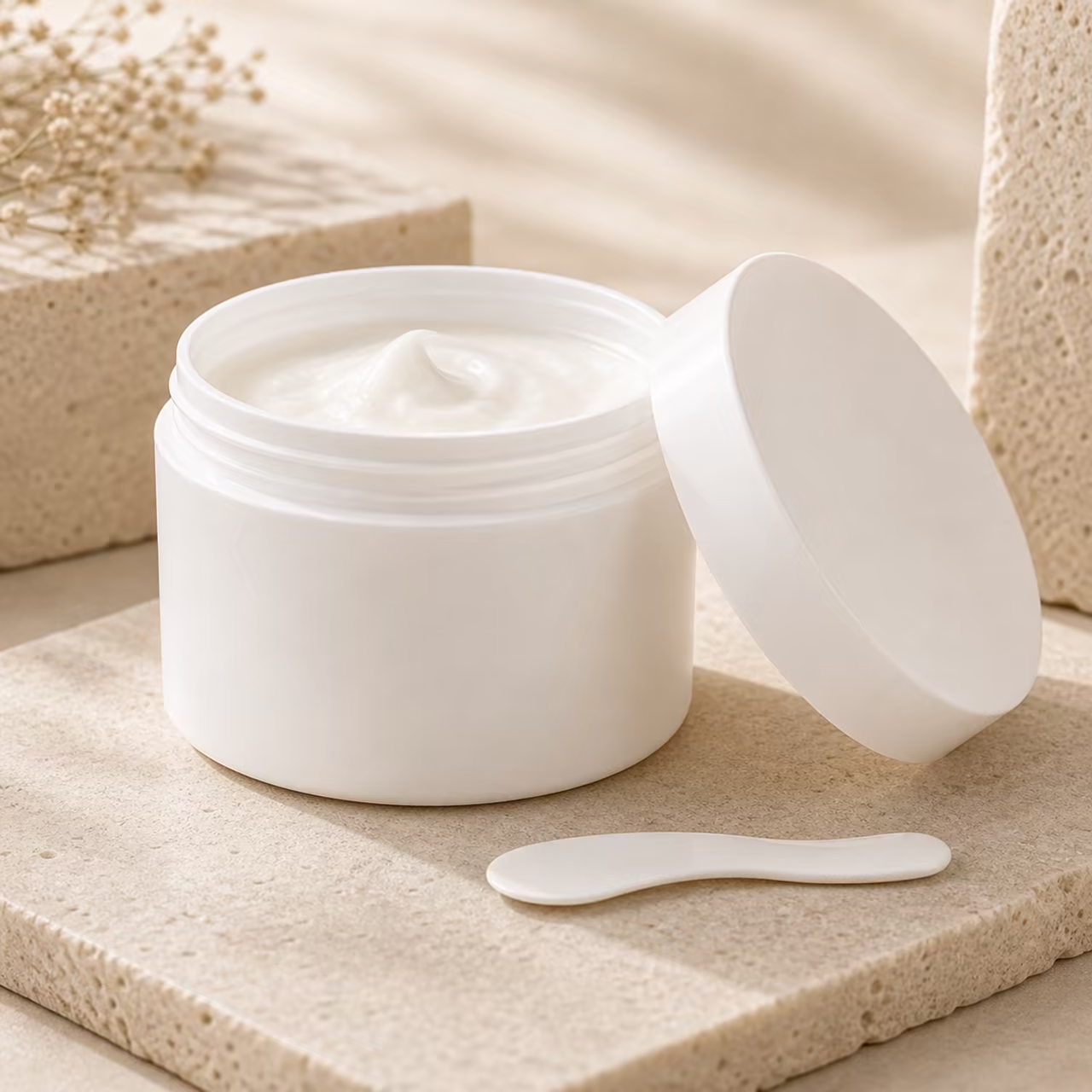
Cream and body butter jars suit formulas too dense to move through a narrow path and allow users to scoop their preferred amount. Review inner diameter, shoulder, base radius and whether fingers or the supplied applicator can reach the edges. A broad opening can improve evacuation while increasing the exposed surface and changing consumer-handling assumptions.
Glass offers weight, clarity and surface options but needs a breakage assessment for wet bathrooms and ecommerce. A thick base can make a jar look larger than its usable inner volume. PET, PP and other plastics reduce weight and may improve impact resistance, but the exact resin, wall, finish and formula contact still require compatibility review. Avoid treating “glass” or “plastic” as a complete performance specification.
Choose tubes when controlled contact matters
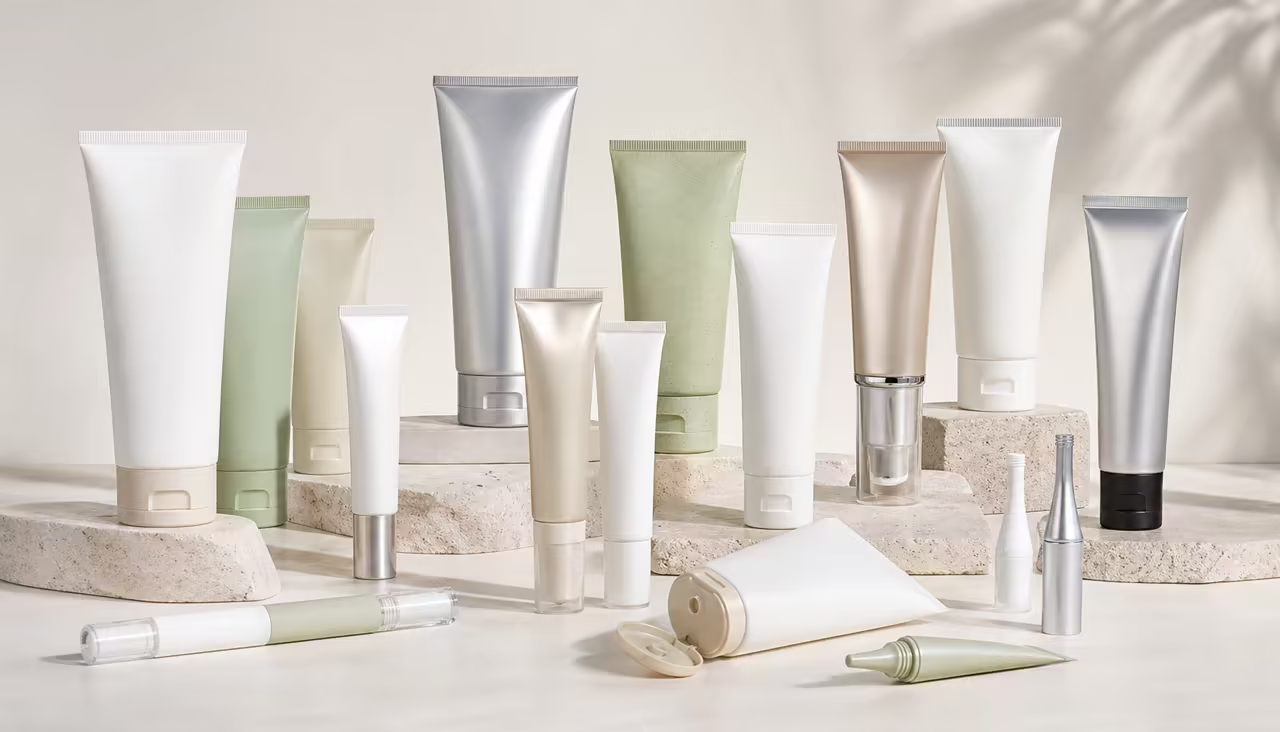
Squeeze tubes can reduce direct access to the bulk product and work well when the formula can flow through the selected shoulder and orifice. Test squeeze force at low temperature, dose control, cap cleanliness and the amount remaining around the crimp and shoulders. A dense butter may need a larger orifice or softer wall, but those changes can increase discharge and affect panel recovery.
Choose the cap with wet or oily hands in mind. A small flip tab or glossy screw cap may be hard to open after use. Review whether the tube stands securely, whether the cap collects product and whether the decoration cracks as the wall is repeatedly collapsed.
Evaluate tins and metal containers as lined systems
Tins can suit balms and solid or semi-solid products, especially when a shallow format makes the product easy to access. Confirm the actual metal construction, internal coating or liner, seams, edge finish and closure. Do not assume every tin has the same corrosion resistance or that bare metal is compatible with every fragrance, oil or water-containing formula.
Sliding or screw lids need retention and opening-force tests after filling and temperature exposure. A shallow tin can travel well but may open if the lid is loaded or loosened inside a bag. Dents, abrasion and decoration durability also belong in the distribution review.
Use pumps only after flow and priming trials
A pump or airless format can provide controlled output and less direct contact, but many body butters are outside the comfortable flow range of common lotion pumps. Test at realistic temperatures and after rest periods. Record priming, actuator force, dose, return, leakage and usable evacuation rather than approving the pack with water.
If the brand wants a premium pump experience, the formula may need to be designed for that product path. Packaging should not force users to remove a pump or cut open a rigid bottle when normal dispensing stops.
Test real bathroom and shipping conditions
Observe opening, dispensing and closing with wet or oily hands. Check pack stability, thread start, lid grip, glass-drop consequence, product around the sealing surface and whether an applicator can be stored hygienically. For jars, evaluate any inner lid, liner or seal as part of the intended use rather than as a decorative extra.
Ship the filled, decorated pack in its final retail and export configuration. Temperature can soften the butter, raise pressure, move oils or expose leakage that is not visible when the product is firm. Distribution testing should also reveal cracked lids, dented tins, scuffed decoration and jars moving inside inserts.
Freeze the approved format before ordering
Record jar, tube, tin or pump item codes; material; capacity; fill weight; closure; liner; decoration; formula batch; filling temperature; cooling and capping method; compatibility plan; and packed-system test. Compare total MOQ across container, closure, decoration, seal and carton rather than the empty pack alone.
The strongest selection is traceable to the formula and user action. A jar may win for dense access, a tube for controlled dispensing, a tin for a shallow balm or a qualified pump for a flowable butter. The brand should be able to explain and reproduce that decision without relying on a generic material claim.
Body butter packaging format comparison
Shortlist formats from the formula, fill process and intended use. Material names and premium appearance do not replace compatibility, hygiene, evacuation or distribution evidence.
| Format | Best-fit direction | Critical checks |
|---|---|---|
| Glass jar | Dense butter or balm needing direct wide-mouth access and a weighted presentation. | Wet-area breakage, inner geometry, fill temperature, formula contact, lid seal and packed impact protection. |
| Plastic jar | Dense product where lower weight or impact resistance is important. | Exact resin and wall, formula compatibility, heat distortion, thread and liner performance, scuffing. |
| Squeeze tube | Flowable butter or cream needing controlled dispensing and less direct bulk access. | Low-temperature squeeze force, orifice, cap grip, seam or crimp, dose and residual mass. |
| Tin or metal container | Balm or semi-solid formula suited to a shallow access format. | Internal coating or liner, seams, closure retention, corrosion or formula interaction, dents and heat exposure. |
| Pump or airless pack | Formula engineered to flow through the selected product path and accepted dose. | Priming, output, actuator force, temperature, product buildup, leakage and usable evacuation. |
Selection considerations
Map formula water content, oils, fragrance, viscosity, fill temperature and cooling behavior before selecting the pack. Review direct access, wet-hand grip, evacuation and bathroom breakage alongside compatibility and shipping. A beautiful jar, tube or tin is only suitable when the production-intent system supports the formula and use action.
Questions to resolve before sampling
- Is the formula anhydrous or water-containing, and what viscosity, fill temperature and set behavior must the pack support?
- Will wet or oily hands, bathroom drops, low temperatures or summer distribution change access and containment?
- Can the selected jar, tube, tin or pump deliver the accepted amount while preserving the approved formula and use instructions?
What to send with an inquiry
Share the application or formula, capacity, material preference, closure or dispensing component, decoration, estimated quantity, destination country, target timing and any reference drawings or photos. Final specifications, MOQ, availability and testing requirements are confirmed for the selected configuration.
Primary references and scope
- FDA microbiological safety and cosmetics — Explains contamination risks, including packaging that does not adequately protect a cosmetic product.
- FDA small-business and homemade cosmetics fact sheet — Explains U.S. cosmetic-business responsibilities, including packaging, contamination and labeling considerations.
- FDA cosmetic GMP guidelines and inspection checklist — Covers control, storage and records for raw and primary packaging materials.
- ISO 22716:2007 cosmetic GMP overview — Describes quality guidance for cosmetic production, control, storage and shipment.
These references provide microbiological, business-responsibility and cosmetic-quality context. They do not approve a preservation system, material, fill temperature or shelf life for a particular body butter. The responsible technical team must evaluate the finished formula and package.