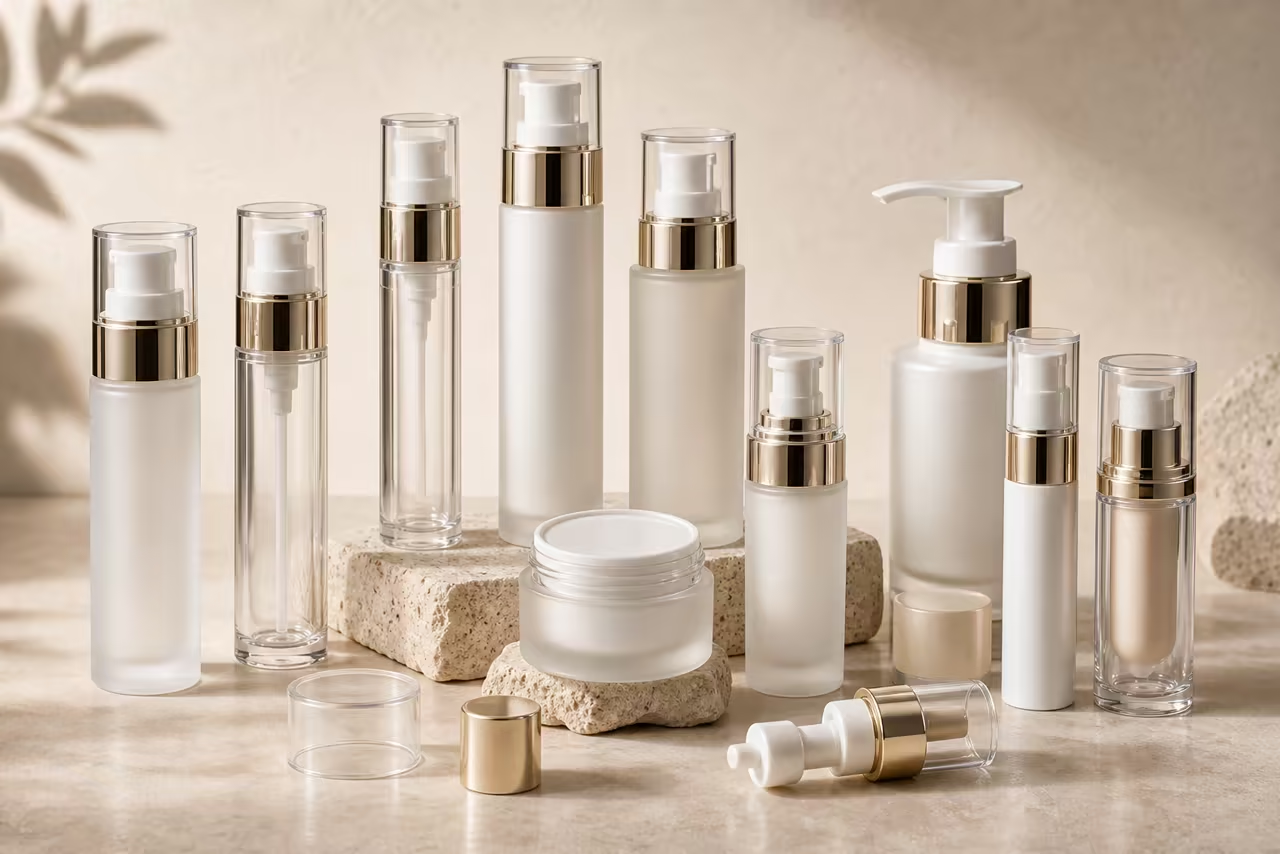
Small fragrance brands often find a bottle they like and then discover that the glass, pump, cap, decoration and box all follow different minimum quantities. Freight and storage can make a seemingly low unit price unrealistic. The solution is to source a coordinated pack architecture rather than chase one attractive bottle listing.
Define what the first order must prove
A first run may need to validate the fragrance, the retail price, the spray experience or the visual identity. It rarely needs to prove every custom feature at once. Write the brief around the launch volume, target fill, destination, selling channel, available storage and repeat-order plan. Then separate mandatory features from preferences.
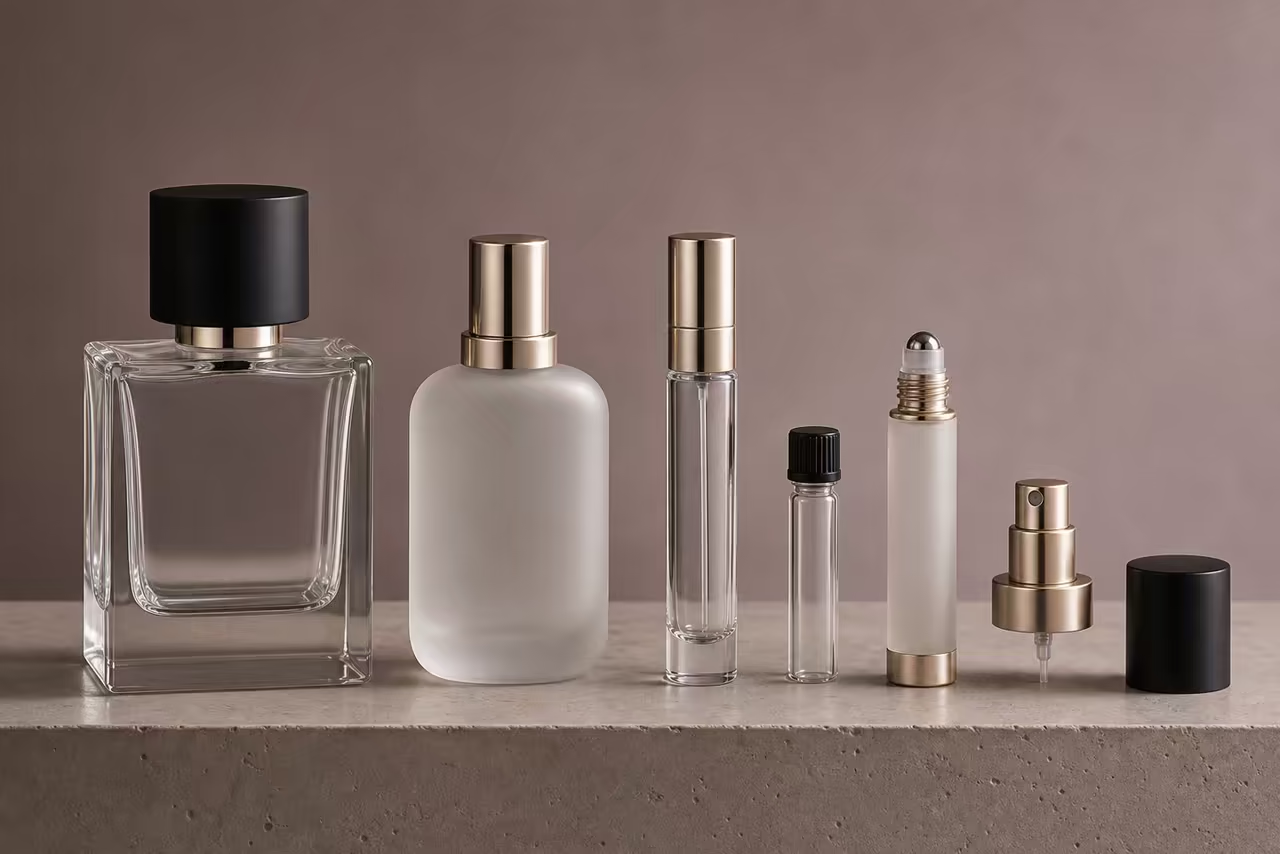
If a proprietary silhouette is not essential, start by comparing stock glass perfume bottles with compatible pumps and caps. A stock bottle can still support frosting, coating, screen printing, labels, hot stamping and a custom carton, subject to the process and setup quantity. This route keeps the bottle structure stable while the brand tests the market.
Find the component that sets the real MOQ
Ask for each line item separately: bottle, fragrance pump, gasket, collar, cap, decoration, label, insert, retail box, export carton and assembly. Record the packing quantity and production minimum for each. A 300-piece bottle opportunity does not create a 300-piece finished pack if the selected cap, coating or printed box starts at a much higher quantity.
Also confirm whether the quote depends on current warehouse stock or a future production run. Stock can shorten sampling, but an early-stage brand needs to know whether the same bottle, neck finish and cap combination can be reordered. Reorder continuity belongs in the decision alongside unit price.
Match the bottle, atomizer and cap as one system
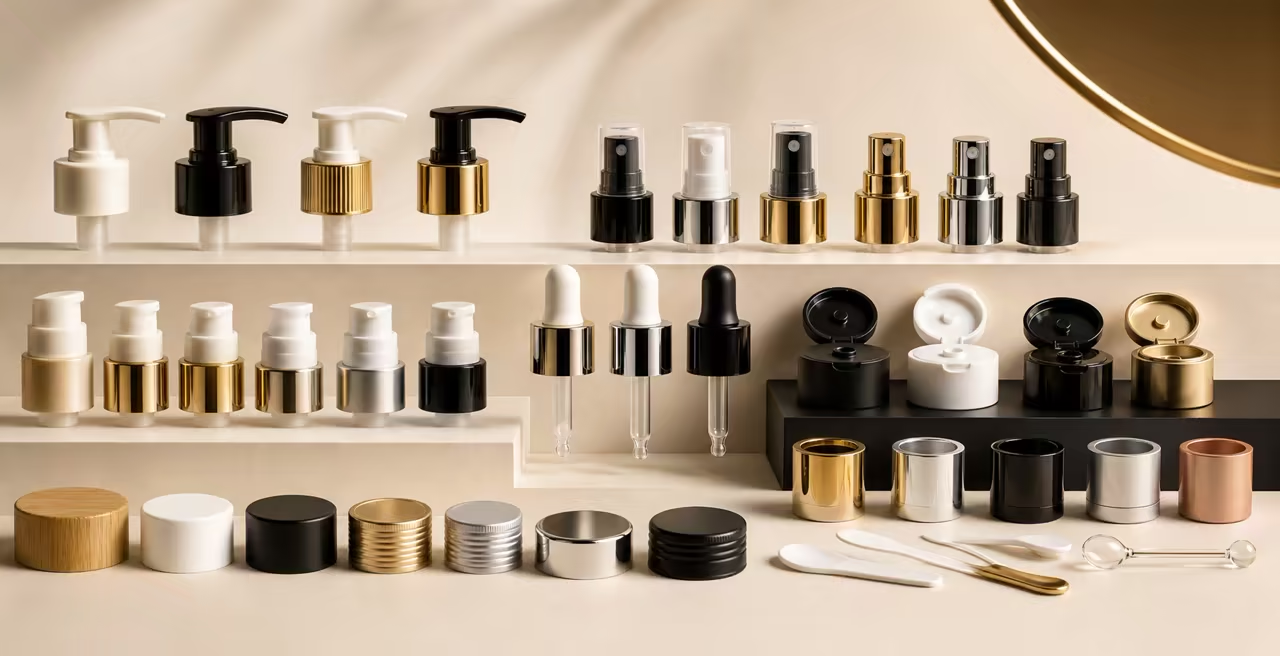
The neck finish determines the pump route, but the full match also includes the gasket, pump diameter, crimp or screw application, collar, dip tube and cap. A heavy decorative cap can alter handling or retention even if it fits visually. Approve the complete empty assembly, then evaluate it with the intended fragrance and filling process.
- Record bottle and component item codes rather than approving from photos.
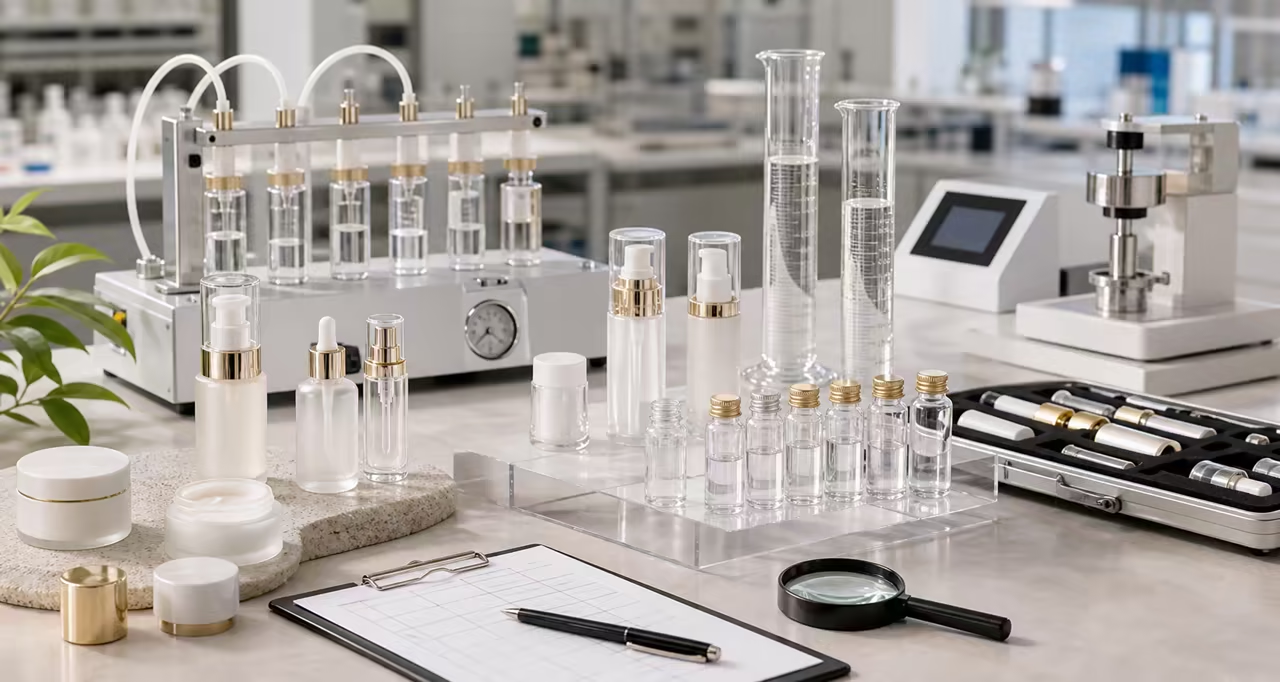
- Confirm spray output, pattern, priming, actuator return and leakage.
- Check dip-tube length and cut against the exact bottle geometry.
- Review cap retention, collar clearance and decoration near the neck.
- Pack the final decorated bottle in its insert and export carton for distribution review.
Use discovery formats to validate demand
A discovery vial or mini spray program can test fragrances before a full-size inventory commitment. Specify vial capacity, spray or dabber format, closure, label area, card or insert, assembly and leakage checks. Small components can have higher minimum quantities than expected, so the discovery set still needs a complete bill of materials.
Discovery packaging should not be treated as a casual decant. The responsible business must review fill, labeling, formula contact, sample assembly and destination requirements for the actual program.
Keep empty-component freight separate from filled-fragrance transport
Shipping empty bottles and pumps is different from transporting finished alcohol-based perfume. In the United States, PHMSA guidance shows that classification can depend on the product's function and whether it contains a regulated flammable liquid. Other countries, modes and carriers have their own requirements. Before promising worldwide fulfillment, have the responsible shipper or dangerous-goods specialist classify the finished formula and choose compliant inner and outer packaging, marks, documents and carrier services.
Build a quote that supports the next order
A useful comparison sheet lists the exact bottle and finish, pump and gasket, cap construction, decoration, box and insert, component quantities, tooling, samples, packing, freight basis and lead-time assumptions. This exposes mismatched minimums early and makes it easier to choose between a stock bottle with brand decoration and a custom glass mold that requires a longer commitment.
A staged perfume packaging route
Separate what the launch needs now from what can wait until demand, storage and repeat-order volume are clearer.
| Route | Best used when | Confirm before ordering |
|---|---|---|
| Stock bottle and stock pump | The brand needs the lowest-risk path to filled samples or a first retail run. | Current stock, neck finish, pump and gasket, cap fit, decoration limits, carton quantity and reorder continuity. |
| Stock bottle with custom decoration | A proven bottle can carry the brand through coating, printing, labels or a custom box. | Decoration setup quantity, color standard, adhesion, pump masking, artwork proof, decorated samples and lead time. |
| Custom cap or accessory | A distinctive touchpoint matters more than a proprietary glass shape. | Cap weight, insert, retention, collar clearance, tooling ownership and fit on production-intent bottles. |
| Custom glass mold | The silhouette or embossing is essential and projected volume can support tooling and production setup. | Drawings, glass weight, capacity, neck finish, mold scope, pilot samples, tolerances, packing and reorder plan. |
| Discovery vial program | The launch needs sampling, subscriptions or market testing before a full-size commitment. | Vial fill, spray or dabber, label area, leakage, insert, small-format labeling and assembly. |
Selection considerations
Calculate the launch around the complete component set and the cash tied up in inventory, not only the bottle unit price. A lower bottle MOQ can still create a high total commitment when pumps, caps, coating, boxes, inserts, freight and storage follow different pack quantities or setup rules.
Questions to resolve before sampling
- Is the first order validating the fragrance, the retail presentation or a proprietary bottle shape?
- Which component sets the practical MOQ: glass, pump, cap, decoration, box, insert or assembly?
- Will the supplier quote empty components only, or will the project also involve filled-product transport requirements?
What to send with an inquiry
Share the application or formula, capacity, material preference, closure or dispensing component, decoration, estimated quantity, destination country, target timing and any reference drawings or photos. Final specifications, MOQ, availability and testing requirements are confirmed for the selected configuration.
Primary references and scope
- FDA summary of cosmetics labeling requirements — Summarizes U.S. labeling responsibilities and adulteration or misbranding considerations.
- FDA small-business and homemade cosmetics fact sheet — Explains U.S. cosmetic-business responsibilities, including packaging, contamination and labeling considerations.
- ASTM D4169 distribution testing overview — Provides a framework for evaluating shipping units against distribution hazards.
- U.S. PHMSA interpretation on perfumery products — Explains that transport classification depends on the product function and whether a finished cosmetic contains a regulated flammable liquid.
Commercial MOQ, stock and lead time must be confirmed for the selected components. Labeling and transport duties vary by formula, market, carrier and mode; finished alcohol-based fragrance may require regulated dangerous-goods review that does not apply to empty bottles.